
EXPERTISE
/ SPINAL CORD INJURY LAWYERS
EXPERTISE / SPINAL CORD INJURY LAWYERS
— SPINAL CORD INJURY LAWYERS
Life after a spinal cord injury requires experienced legal representation.
A spinal cord injury can permanently affect your mobility, independence, career, and future care needs. Oatley Vigmond represents people and families across Ontario in complex spinal cord injury claims involving paraplegia, quadriplegia, incomplete spinal cord injuries, and other serious neurological trauma.
Oatley Vigmond’s lawyers have secured landmark results for clients with catastrophic injuries, including the largest spinal cord injury judgment in Canadian history. Insurance companies know our reputation for thorough preparation and trial advocacy.
Toronto • North York • Scarborough • Vaughan • Brampton • Mississauga
Families trying to understand the medical, practical, and legal issues that can follow paralysis or serious neurological trauma may also find Oatley Vigmond’s Spinal Cord Injury: A Family Guide.
These claims require a level of experience that goes beyond general personal injury litigation. Oatley Vigmond has deep expertise handling catastrophic injury claims involving paralysis, paraplegia, quadriplegia, incomplete spinal cord injuries, and other serious neurological trauma. Our firm focuses exclusively on personal injury law and represents people with spinal cord injuries across Toronto, the Greater Toronto Area, Barrie, Hamilton, and communities throughout Ontario.
Oatley Vigmond’s experience includes securing the largest spinal cord injury judgment in Canadian history, with more than $24 million awarded after trial. Results of this kind require detailed medical evidence, trusted expert support, careful preparation, and the willingness to take a case to trial when an insurer refuses to pay fair compensation. Oatley Vigmond works on a contingency fee basis, meaning clients pay no legal fees upfront and no legal fees while the case is ongoing.
— Critical steps
Protect Your Care, Recovery, and Legal Claim After a Spinal Cord Injury
After a spinal cord injury in Ontario, the priority is emergency medical care, followed by preserving evidence and speaking with a spinal cord injury lawyer before dealing with insurers or accepting a settlement. The questions below answer what to do first, what evidence to protect, which accident benefits may apply, and how a catastrophic impairment designation can affect the value of a claim. Oatley Vigmond represents seriously injured clients across Ontario, including Toronto, Hamilton, Barrie, Sudbury, and North Bay, with free consultations and no legal fees unless compensation is recovered.
Call 911 and get emergency medical help immediately. Do not move the injured person unless they are in immediate danger, as movement may worsen damage to the spine or spinal cord.
Neck pain, back pain, numbness, weakness, tingling, loss of sensation, difficulty breathing, loss of bladder or bowel control, or paralysis should be treated as a medical emergency. Early diagnosis, imaging, surgery, and specialist care can affect both recovery and long term care needs.
Contact a lawyer as early as possible, once emergency medical needs are being addressed. Early legal help can protect evidence, identify all available insurance coverage, start accident benefits claims, and help ensure access to rehabilitation, attendant care, income support, and future care planning.
Spinal cord injury claims are not routine injury claims. The compensation and benefits available may affect the injured person's ability to live safely, access treatment, modify their home, replace lost income, and rebuild as much independence as possible.
Important evidence may include:
- Photos, videos, and witness names
- Police reports and incident reports
- Vehicle or property damage and surveillance footage
- Road conditions, weather conditions, and maintenance records
- Medical records, imaging reports, and rehabilitation records
In a spinal cord injury claim, evidence must show not only how the accident happened, but how the injury has changed the person's life, including mobility loss, personal care needs, home accessibility barriers, missed work, and future medical needs.
No important physical evidence should be repaired, discarded, or altered before legal advice is obtained. Damaged vehicles, motorcycles, bicycles, helmets, clothing, footwear, mobility devices, safety equipment, stairs, railings, or other objects may help experts understand how the accident happened and how the spinal cord injury occurred.
Available benefits may include:
- Medical and rehabilitation benefits
- Attendant care and caregiver benefits
- Income replacement and housekeeping support
- Mobility equipment and home modifications
Speak with a spinal cord injury lawyer before giving a recorded statement. Insurers may ask questions early, before the full medical picture is known, and the answers given may later be used to assess or challenge the claim.
Spinal cord injuries often create urgent and long term needs that go far beyond hospital care. An injured person may need physiotherapy, occupational therapy, psychological support, attendant care, mobility equipment, accessible transportation, home renovations, and case management.
Oatley Vigmond can help coordinate the evidence needed to support these claims, including medical opinions, future care reports, occupational therapy assessments, attendant care assessments, and income loss documentation, reflected in our Total Care Network of legal advocacy, treatment access, and long term support.
Yes, depending on the nature and severity of the injury. Catastrophic impairment status is important in motor vehicle accident claims because it can increase access to medical, rehabilitation, and attendant care benefits.
A spinal cord injury claim should consider both current and future losses, including:
- Pain and suffering, lost income, and loss of future earning capacity
- Medical treatment, rehabilitation, and attendant care
- Home modifications, mobility equipment, and accessible transportation
- Housekeeping support, case management, and future care needs
Because a spinal cord injury can affect a person for the rest of their life, the claim should account for what they will need over time, not just immediate expenses.
Speak with a lawyer before accepting any settlement offer from an insurance company. Early settlement offers may not reflect the lifetime cost of care, lost income, home accessibility, attendant care, rehabilitation, and future medical needs.
The $24 Million VERDICT
Why It Matters
Oatley Vigmond secured the largest spinal cord injury judgment in Canadian history after successfully taking a highly contested case to trial. The case involved complex legal issues, including liability, contributory negligence, and the defence’s arguments regarding seat belt use and alcohol consumption. After extensive preparation and litigation, the court awarded more than $24 million in damages to two seriously injured young men, including a client who sustained a catastrophic spinal cord injury.
This result reflects more than the size of the award. It demonstrates our firm’s ability to prepare and prove complex catastrophic injury claims when insurers refuse to accept responsibility or offer fair compensation. Cases of this nature require detailed medical evidence, respected expert witnesses, and experienced trial lawyers who are prepared to advocate for their clients in court.
— Understanding The Injury
Understanding Spinal Cord Injuries: What It Means for Your Legal Claim
A spinal cord injury is not a single diagnosis. It is a category of injuries with enormous variation in severity, location, and long-term consequence. How your injury is classified medically has a direct bearing on the compensation and benefits you can access under Ontario law, which is why the medical and legal sides of these cases are inseparable.
The information below is intended to help you understand the landscape, not to provide medical advice. Your treating physicians, rehabilitation specialists, and the independent medical experts we retain will assess your specific injury. What matters legally is that your injury is properly documented, properly classified, and properly argued, and that is where Oatley Vigmond’s experience makes the difference.
Complete vs. Incomplete Spinal Cord Injuries
Physicians classify spinal cord injuries as either complete or incomplete based on whether any motor or sensory function is preserved below the neurological level of injury. The American Spinal Injury Association publishes the internationally recognized classification framework used by medical experts in Ontario spinal cord injury cases. If you want to understand the clinical criteria in detail, the ASIA website at asia-spinalinjury.org is the authoritative reference.
What matters for your legal claim is this: complete injuries typically involve the highest lifetime care costs and the most significant functional limitations. Incomplete injuries vary enormously in outcome and are frequently undervalued by insurers who focus on what function remains rather than what has been permanently lost. Oatley Vigmond builds future care cases around what your injury means for the next 30, 40, or 50 years, not what it looks like in the first year of recovery.
Complete injury
No motor or sensory function preserved below the level of injury. Typically involves the highest lifetime care costs and the most significant functional limitations.
Incomplete injury
Some function preserved below the level of injury. Outcomes vary enormously and are frequently undervalued by insurers who focus on what remains rather than what has been lost.
Injury Level: Cervical, Thoracic, Lumbar, and Sacral
Where the injury occurs on the spinal cord determines which parts of the body are affected and shapes the entire scope of future care needs. Ontario’s rehabilitation and legal communities reference the cervical, thoracic, lumbar, and sacral classification when assessing injury severity and long-term prognosis. For detailed clinical information on spinal levels and their effects, Spinal Cord Injury Ontario at sciontario.org provides accessible and accurate guidance.
Cervical
Neck region
Can affect the arms, legs, breathing, and upper body. High cervical injuries frequently result in tetraplegia and may require ventilator support, among the most medically complex cases.
Thoracic
Chest and upper back
Typically results in paraplegia with lower body loss of function, while arm and hand function may be preserved.
Lumbar
Lower back
Can impact hip and leg movement, bladder and bowel control, and sexual function.
Sacral
Lowest spinal segment
May impact bladder, bowel, lower limb function, and sexual function.
💡 Learn more: Levels of Spinal Cord Injury
Specific Conditions We Handle
Some spinal cord injury cases involve specific diagnoses that require both specialized medical expertise and legal experience to properly pursue. Three we see with particular frequency are:
Cauda equina syndrome
Compression of nerve roots at the base of the spinal cord. A medical emergency, delayed diagnosis can itself give rise to a malpractice claim alongside any accident claim.
Central Cord Syndrome
The most common incomplete injury, often from hyperextension of the cervical spine. Tends to cause greater weakness in the arms than the legs.
Brown-Séquard syndrome
Damage to one side of the spinal cord, causing motor loss on one side and sensory loss on the other. Often underestimated by insurers without expert assessment.
— Catastrophic impairment
Spinal Cord Injuries and Catastrophic Impairment Under Ontario Law
This is one of the most consequential legal questions in a spinal cord injury claim, and the answer determines how much insurance money you can access.
Under Ontario’s Statutory Accident Benefits Schedule (SABS), a catastrophic impairment designation unlocks significantly higher benefit limits for medical care, rehabilitation, and attendant care. Many spinal cord injuries qualify automatically for catastrophic impairment designation under the SABS criteria, including:
For the most serious spinal cord injuries, the catastrophic impairment designation may be straightforward to establish. But for incomplete injuries, injuries with partial function preserved, or injuries involving secondary complications, insurers will frequently dispute the designation to avoid the higher benefit obligations that come with it.
Oatley Vigmond has a dedicated team of accident benefits specialists who work alongside our litigators. We fight for catastrophic impairment designation at every stage, from initial application through disputes at the Licence Appeal Tribunal (LAT) and into litigation when necessary.
💡 Learn more: What is Catastrophic Impairment?
— Lifetime cost
What Does a Lifetime of Spinal Cord Injury Care Actually Cost?
This is the question at the heart of every spinal cord injury claim, and the answer is almost always more than the insurer initially acknowledges.
The lifetime costs for a serious spinal cord injury in Ontario can include:
Attendant care
Personal care assistance, ranging from a few hours daily for incomplete injuries to 24-hour care for high-level cervical injuries.
Rehabilitation
Physiotherapy, occupational therapy, recreational therapy, psychological support, and return-to-function programming.
Medical equipment
Manual and power wheelchairs, seating systems, pressure injury prevention equipment, respiratory equipment, bladder and bowel management supplies.
Home modifications
Accessible bathroom construction, ramp installation, widened doorways, ceiling track lifts, elevator systems.
Vehicle modifications
Hand controls, wheelchair lifts, modified vans.
Future medical care
Ongoing specialist appointments and management of secondary complications, including pressure injuries, urinary tract infections, respiratory complications, spasticity, and chronic pain.
Income replacement
If you cannot return to your previous employment or any employment.
Future care coordination
Case management for the duration of your life.
Oatley Vigmond works with life care planners, rehabilitation specialists, and financial experts to build a comprehensive future care plan that accounts for decades of need. We do not accept early settlements that fail to capture the true lifetime cost of your injury.
— COMMON CAUSES
Common Causes of Spinal Cord Injuries in Ontario
Spinal cord injuries occur across a range of accidents. In Ontario, the most common causes we see involve:
Motor vehicle accidents
Motor vehicle accidents, car accidents, truck accidents, and motorcycle accidents on Ontario's highways and urban roads are the leading cause of traumatic spinal cord injuries. High-speed collisions on the 401, the QEW, Highway 400, and the Gardiner Expressway in Toronto produce some of the most severe spinal cord injuries we handle.
Pedestrian accidents
Pedestrians struck by vehicles in Toronto, Brampton, Mississauga, and across the GTA are at acute risk of spinal trauma.
Falls
Falls from height and serious falls on unsafe premises.
Boating accidents
Particularly on Ontario's lakes and waterways during summer months.
Sports and recreational accidents
Diving accidents, contact sport injuries, and ATV or off-road vehicle incidents.
Medical malpractice
Including surgical errors, delayed diagnosis of spinal cord compression, failure to diagnose cauda equina syndrome, and post-operative complications.
Bicycle accidents
Cyclists struck by vehicles in Toronto and the GTA are increasingly represented in spinal cord injury cases.
— WHY OATLEY VIGMOND
A firm built for catastrophic injury claims
A spinal cord injury claim is rarely straightforward. Because these cases often meet the threshold for catastrophic impairment, they require a legal team with the experience, resources, and professional relationships to address complex medical evidence, long-term rehabilitation, future care planning, accident benefits, and high-stakes litigation.
Not every personal injury firm is equipped to manage catastrophic injury claims. These cases demand extensive preparation, access to leading medical and rehabilitation experts, and a deep understanding of Ontario’s insurance and legal systems. That experience can make a meaningful difference in the outcome of a spinal cord injury claim.
Oatley Vigmond focuses exclusively on personal injury law. Representing people with catastrophic injuries, including spinal cord injuries, has been at the heart of our practice for decades. We have the experience, resources, and commitment to pursue the compensation our clients need to move forward with confidence.
Experience That Matters
Oatley Vigmond’s lawyers have decades of experience with spinal cord injury claims, catastrophic impairment applications, the Statutory Accident Benefits Schedule , accident benefits disputes, attendant care claims, future care evidence, and serious tort litigation. We understand how spinal cord injury cases move through both the accident benefits system and the lawsuit against the at fault party, and we know how closely those two streams affect each other.
Integrated Accident Benefits Support
One of Oatley Vigmond’s defining strengths is our integrated approach to serious injury claims. Our dedicated Accident Benefits Specialists work alongside our litigators to help clients access treatment, rehabilitation, income replacement, attendant care, medical equipment, home modifications, and other essential supports while the legal case progresses. Through our Total Care Network, we connect legal advocacy with the resources clients and their families need to support long-term recovery.
Access to Leading Experts in Spinal Cord Injury Claims
Spinal cord injury cases also require the right experts. Oatley Vigmond works with leading spinal cord specialists, rehabilitation professionals, occupational therapists, life care planners, vocational experts, economists, accountants, and financial experts across Ontario to build the evidence needed to show the true lifetime impact of the injury.
Our results speak directly to this area of law. Oatley Vigmond secured the largest spinal cord injury judgment in Canadian history, more than $24 million awarded after trial. That result reflects the level of preparation, expert evidence, future care analysis, and trial advocacy these cases require.
— Recognition & Results
Recognized among Canada's leading personal injury firms
Independent legal rankings have consistently recognized Oatley Vigmond among Canada’s leading personal injury law firms for its experience, reputation, and work on complex catastrophic injury litigation, including spinal cord injury claims.
Our lawyers combine decades of trial experience with a deep understanding of the lifelong physical, emotional, and financial impact spinal cord injuries have on individuals and their families. We build every case with the medical evidence, expert support, and long-term planning needed to pursue the compensation our clients require for the future.
15 years
Named a Top Personal Injury Boutique by Canadian Lawyer every year since 2011.
Tier 1
2026 Best Law Firms Canada — National rankings in Personal Injury Litigation & Insurance Law.
24/7
Free consultations, day or night. We will come to you if you cannot come to us.
$0
No legal fees upfront and none as your case progresses — payable only if we succeed.
What sets us apart
Spinal cord injury cases require more than general personal injury experience. They require a firm with the resources to manage complex medical evidence, catastrophic impairment disputes, accident benefits claims, future care planning, insurer pressure, and serious tort litigation at the same time. Oatley Vigmond is built for this level of work.
Extensive experience handling catastrophic injury claims, including spinal cord injury cases
A dedicated team of Accident Benefits Specialists working alongside our litigators
Support with treatment funding, rehabilitation, attendant care, medical equipment, income replacement, and home modifications
We come to clients in hospital, rehabilitation facilities, or at home
Deep relationships with leading medical, rehabilitation, life care, vocational, and financial experts
Recognized for trial preparation and major catastrophic injury results across Ontario
Multiple partners recognized by Lexpert and in The Best Lawyers in Canada
Focused exclusively on representing people seriously injured through the negligence of others
— WHERE WE SERVE
Spinal Cord Injury Lawyers Serving Toronto, GTA, and All of Ontario
No matter where your spinal cord injury occurred in Ontario, our lawyers represent clients across the province and can meet with you wherever you are during your recovery.
Spinal cord injuries can happen anywhere, from collisions on Highway 401 near Mississauga and the Gardiner Expressway in Toronto to crashes on Highway 400 north of Barrie or on rural roads across Ontario. Wherever a serious accident occurs, Oatley Vigmond has the experience to represent individuals and families facing the life-changing consequences of a spinal cord injury.
We have consultation offices in North York, Toronto, Hamilton, Sudbury, and North Bay and we regularly travel to meet clients in hospital, rehabilitation facilities, or at home when they are unable to travel. For decades, we have represented clients in spinal cord injury claims throughout Ontario.
Downtown Toronto
Bank of Canada Building250 University Ave, Suite 200
Toronto, ON M5H 3E5 416-225-6550
North York
North York Centre5000 Yonge St., Suite 1901
Toronto, ON M2N 7E9 416-225-6550
— OUR TEAM
Meet The Spinal Cord Injury Lawyers On Your Side
Our spinal cord injury team includes experienced trial lawyers who focus exclusively on serious personal injury claims and have represented clients across Ontario in complex catastrophic injury cases involving paralysis and other life-changing injuries.
Our lawyers combine decades of trial experience with a deep understanding of the lifelong physical, emotional, and financial impact spinal cord injuries have on individuals and their families. We work with leading medical, rehabilitation, and life care experts to build strong cases that reflect the full extent of our clients’ current and future needs.

Managing Partner
Troy navigates complex insurance law to secure landmark judgments and maximum long-term care funding for clients with catastrophic spinal cord injuries.

Managing Partner
Adam secures maximum compensation for spinal cord injury clients by aggressively taking complex catastrophic injury claims to trial.
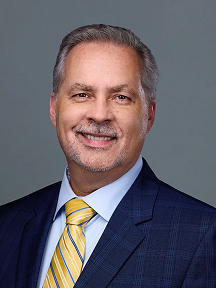
Partner
Brian draws on decades of trial experience to dismantle aggressive insurance denials and secure critical rehabilitation funding for clients with spinal cord injuries.
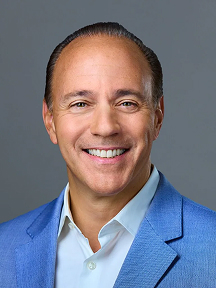
Partner
Rob advocates exclusively for seriously injured victims, specializing in securing maximum tort and accident benefits compensation for clients facing life-altering spinal cord trauma.

Partner
Having previously represented Canada's largest insurance providers, Kevin uses his inside knowledge of defence strategies to outmaneuver insurers and win exceptional results for clients with spinal cord injuries.

Partner
A member of the Board of Directors for Spinal Cord Injury Ontario, Karen combines fierce litigation with deep empathy to secure life-altering accident benefits and long-term rehabilitation support for spinal cord injury clients.

Partner
Drawing on her background in insurance defence at a leading national firm, Lara anticipates insurer tactics to aggressively secure maximum compensation for spinal cord injury clients.

Partner
A Board Member of the Ontario Trial Lawyers Association, Liane regularly overrides aggressive insurer cutoffs at the Licence Appeal Tribunal to protect immediate accident benefits for spinal cord injury clients.

Partner
Devoting his practice exclusively to complex, life-altering trauma, Ben fights at all levels of court to secure future care funding for clients managing catastrophic spinal cord injuries.

Partner
Recognized for his insights at the Motor Vehicle Litigation Summit, Charles applies elite trial advocacy to hold insurers and other defendants accountable for clients who have suffered spinal cord injuries.
You Do Not Need Money to Hire Us
Catastrophic injury claims can feel financially overwhelming, but you do not need to pay legal fees upfront. Oatley Vigmond offers free consultations and works on a contingency fee basis, meaning you pay no legal fees unless compensation is recovered for you.
Many people who have suffered a catastrophic injury worry that they cannot afford a lawyer. Medical bills are piling up. They may not be able to work. Their family is under financial pressure. The idea of paying legal fees on top of everything else feels impossible.
Oatley Vigmond works on a contingency fee basis. That means you pay no legal fees upfront and no legal fees as your case progresses. Our fee is a percentage of the compensation we recover for you, and it is only payable at the end of your case if we are successful. If we do not recover compensation for you, you do not owe us a legal fee.
This arrangement exists specifically so that seriously injured people can access experienced legal representation regardless of their financial situation. Your ability to hire us has nothing to do with what is in your bank account. It has everything to do with the strength of your case.
Your first consultation is also completely free. There is no obligation, no pressure, and no cost to speaking with us about what happened and what your options are. We are available 24 hours a day, 7 days a week.
💡 Learn more: Are There Upfront Fees for a Personal Injury Lawyer?
— QUESTIONS & ANSWERS
Frequently Asked Questions About Spinal Cord Injury Claims in Ontario
Our spinal cord injury lawyers combine decades of trial experience with a deep understanding of the lifelong physical, emotional, and financial challenges spinal cord injuries create for individuals and their families.
Medically, spinal cord injuries are classified as complete or incomplete based on whether any motor or sensory function is preserved below the neurological level of injury. The American Spinal Injury Association publishes the full classification criteria at asia-spinalinjury.org.
What this means for your legal claim is that your classification directly affects how your injury is assessed under Ontario's catastrophic impairment criteria, which determines the level of accident benefits you can access. Oatley Vigmond works with leading spinal cord specialists to make sure your injury is properly documented, your classification is fully supported by expert evidence, and nothing is understated in the eyes of the insurer or the court.
Not automatically, though many do. Ontario's Statutory Accident Benefits Schedule sets out the specific criteria, and paraplegia and quadriplegia resulting from a confirmed spinal cord injury are among the conditions that can qualify. Incomplete injuries may also qualify depending on the assessed level of functional impairment. Insurers frequently dispute these designations, particularly for incomplete injuries, and the consequences of losing that designation are significant.
See: $1.2 Million Settlement for Young Man Rendered Quadriplegic
Oatley Vigmond has dedicated accident benefits specialists who fight for catastrophic impairment designation from the very first application, through any insurer dispute, and to the Licence Appeal Tribunal if necessary.
Get emergency medical care and follow all treatment recommendations. Do not provide a recorded or written statement to any insurance company before speaking with a lawyer. Keep all medical records, receipts, and documents related to the accident and your recovery. There are strict deadlines for filing accident benefit applications in Ontario, and missing them can affect your rights.
Oatley Vigmond offers free consultations 24 hours a day, 7 days a week, and getting us involved early means your applications are filed correctly, your evidence is preserved, and your rights are protected from day one.
Ontario's personal injury system involves two potential streams of compensation: accident benefits through your own automobile insurer, and a tort claim against the at-fault party. Accident benefits can cover medical care, rehabilitation, attendant care, and income replacement. A tort claim can seek compensation for pain and suffering, loss of income and future earning capacity, future care costs, home and vehicle modifications, and family member claims. The full picture of what you may be entitled to depends on the specific facts of your case.
Oatley Vigmond assesses both streams from the start, pursues them simultaneously, and makes sure nothing is left on the table.
The catastrophic impairment designation is a legal threshold under Ontario's Statutory Accident Benefits Schedule. Crossing it significantly increases the benefit limits available for medical care, rehabilitation, and attendant care. Without it, those limits are substantially lower and often insufficient to fund the real cost of long-term spinal cord injury care.
Oatley Vigmond has dedicated accident benefits specialists who understand exactly how this designation is established, how insurers challenge it, and how to build the medical and legal case to defend it at every stage, including at the Licence Appeal Tribunal when necessary.
Insurers dispute catastrophic impairment designations regularly. It is one of the most common pressure points in spinal cord injury claims because the financial stakes for the insurer are significant. When a dispute arises, you have the right to challenge it using independent medical evidence.
Oatley Vigmond manages that process completely, retaining the right experts, building the strongest possible case for designation, and taking the dispute as far as it needs to go, whether that is the Licence Appeal Tribunal or full litigation.
In Ontario, motor vehicle accident victims have access to both the accident benefits system and the tort system. Whether a tort claim is available depends on the specific facts of your case and Ontario's legal threshold for such claims.
Oatley Vigmond handles both the accident benefits and tort sides of spinal cord injury cases simultaneously. Managing both streams properly from the start is critical to maximizing the total compensation available to you, and it is something our team is built to do.
If a delayed diagnosis, surgical error, or failure to properly treat a spinal condition caused or contributed to your injury, you may have a medical malpractice claim in addition to any accident claim. Cauda equina syndrome is one condition where delayed diagnosis is a recognized legal issue in Ontario courts. These cases are complex because they involve both personal injury and medical malpractice law running alongside each other.
Oatley Vigmond has experience handling exactly these kinds of overlapping claims and can assess whether both avenues apply to your situation.
There is no fixed timeline, and anyone who tells you otherwise early in a case is not being straight with you. The duration depends on how long your medical condition takes to stabilize, the complexity of establishing future care needs, whether insurance disputes arise, and whether the matter proceeds to trial.
What Oatley Vigmond will never do is push you toward an early settlement before the full picture of your future needs is understood. Settling too soon is one of the most common and most damaging mistakes in spinal cord injury cases, and it is something we work hard to protect our clients from.
Oatley Vigmond works on a contingency fee basis, which is standard for personal injury cases in Ontario and regulated by the Law Society of Ontario. No legal fees are charged upfront and none accumulate as your case progresses. The fee is a percentage of the compensation recovered and is only payable if your case is successful.
If no compensation is recovered, no legal fee is owed. This means the quality of your legal representation has nothing to do with your financial situation right now. Free consultations are available 24 hours a day, 7 days a week.
Spinal cord injury claims are among the most complex and highest-value cases in Ontario's personal injury system. They involve medical evidence, future care assessments, accident benefits disputes, and tort litigation, all running at the same time and all affecting each other. The decisions made in the earliest weeks of a claim can shape the outcome for decades.
Oatley Vigmond strongly encourages anyone who has suffered a spinal cord injury in Ontario to get legal advice before engaging with any insurer. A free consultation costs you nothing and could make an enormous difference to your future.
Speak with a spinal cord injury lawyer in Ontario today
If you or someone you love has suffered a spinal cord injury, the decisions made now can shape your future.
Oatley Vigmond has spent decades representing Ontario families in complex spinal cord injury claims, including paraplegia and quadriplegia, earning a reputation with insurance companies for thorough preparation and strong advocacy.
Consultations are free, and you pay no legal fees unless we recover compensation for you.
Consultation
$0
Unless we win