
PRACTICE AREAS / MOTOR VEHICLE ACCIDENTS
Motor Vehicle Accident Lawyers in Ontario
Oatley Vigmond’s motor vehicle accident lawyers serve seriously injured people across Ontario, including Toronto, North York, Barrie, Hamilton, Sudbury, North Bay and communities along the Highway 400 corridor. Whether the crash involved a car, truck, motorcycle, ATV, snowmobile or another motorized vehicle, we guide injured individuals and their families through every stage of the legal process.
Toronto • North York • Scarborough • Vaughan • Brampton • Mississauga
What Should You Do After a Motor Vehicle Accident in Ontario?
After a motor vehicle accident in Ontario, move to a safe place, call 911 if anyone is hurt, get medical attention even if you feel fine, report the collision, notify your own insurer within 7 days, keep records of everything, and speak with a lawyer before giving a recorded or detailed statement to any insurer.
Some injuries, including concussions, whiplash, spinal injuries and internal injuries, may not show symptoms right away, and an early medical record protects both your health and your claim. If it is safe, photograph the vehicles, the road and any visible injuries, exchange insurance and licence information, collect witness contact details, and avoid admitting fault at the scene.
Ontario’s notice periods are short, and missing one can weaken or end a claim. In general, you should notify your own insurer within 7 days, return your accident benefits application (OCF-1) within 30 days of receiving it, give the at-fault driver written notice within 120 days if you intend to sue, and start a lawsuit within 2 years. A claim involving a road or sidewalk in disrepair generally requires written notice to the municipality within 10 days. These are the general deadlines for most automobile accidents. Deadlines and insurance rules for ATV, snowmobile and other off-road vehicle crashes can differ, so speak with a lawyer right away. Your lawyer will confirm which deadlines apply to you.
At Oatley Vigmond, our Ontario motor vehicle accident lawyers help injured people secure accident benefits, replace lost income and pursue full compensation from the people responsible. Personal injury law is all we do. Free consultations are available 24 hours a day, 7 days a week, and there are no legal fees until we win.
💡 Learn more: Ontario Accident Benefits Explained
What Are the Motor Vehicle Accident Laws in Ontario?
In most automobile accidents, Ontario’s laws combine no-fault accident benefits under the Statutory Accident Benefits Schedule (SABS), which pay for treatment and support regardless of who caused the crash, with the right to sue an at-fault driver in a separate lawsuit. ATVs, snowmobiles and other off-road vehicles follow related but different insurance rules. These rules matter after a crash because insurers apply them first when deciding what to pay and who is responsible.
Drivers involved in a collision must stay at the scene, help anyone who is injured, and share their name, address, licence and insurance information with the other driver. You must also report the collision to police if anyone is injured or combined property damage exceeds $5,000. Leaving the scene of a collision can lead to serious charges and can make the other driver's insurer harder to identify.
No-fault means your own insurer pays your accident benefits regardless of who caused the crash. It does not mean you cannot sue. If another driver's negligence caused your injuries, you may also bring a lawsuit against them for damages that accident benefits do not fully cover, such as pain and suffering and loss of future earning capacity.
Not always. Snowmobiles and ATVs are governed by their own legislation, which requires liability insurance for most use, and whether accident benefits are available after an ATV or snowmobile crash can depend on the vehicle, where the crash happened and whether another vehicle was involved. Because the answer turns on the facts, speak with a lawyer early so every available source of compensation is identified.
You can still claim accident benefits if you caused the accident, because Ontario's accident benefits are no-fault. If you alone were at fault, you generally cannot recover damages in a lawsuit against another driver, but you may still have a claim if another party, such as a municipality or a vehicle manufacturer, also contributed to the crash.
Yes. Ontario law applies a statutory deductible to pain and suffering awards in motor vehicle cases, and the amount is adjusted every year. Injuries must also meet a legal threshold of permanent and serious impairment to qualify for pain and suffering damages. Catastrophic injuries frequently meet that threshold, but it still has to be proven with proper medical evidence.
What Types of Motor Vehicle Accidents Do Oatley Vigmond's Lawyers Handle?
Oatley Vigmond’s lawyers handle serious injury claims from car, truck, motorcycle, pedestrian, bicycle and boating accidents, as well as accidents involving ATVs, snowmobiles and other motorized vehicles. Each type of accident follows its own rules, insurance process and deadlines, and most have a dedicated page.
Car Accidents
Rear-end, intersection, head-on and multi-vehicle collisions, and crashes caused by impaired or distracted drivers.
Learn more →Truck Accidents
Collisions with transport trucks, tractor-trailers and commercial vehicles, which can involve drivers, carriers, cargo loaders and parts manufacturers.
Learn more →Motorcycle Accidents
Riders are acutely vulnerable to catastrophic trauma in any collision.
Learn more →Pedestrian Accidents
Pedestrians struck by vehicles sustain some of the most severe injuries we see.
Learn more →Bicycle Accidents
Including dooring incidents, intersection collisions and cyclist versus vehicle crashes.
Learn more →Boating Accidents
Boating accidents on Ontario's lakes and waterways can result in serious injury.
Learn more →ATV Accidents
Rollovers and collisions on trails, farm land and roads can cause serious head and spinal injuries. The insurance rules depend on the vehicle and where the crash happened.
Dirt Bikes
Falls and collisions on dirt bikes and other off-road motorcycles can cause catastrophic injuries. Who is responsible can depend on where the crash happened and who controlled the land.
How Much Are Motor Vehicle Accident Settlements Worth in Ontario?
There is no average motor vehicle accident settlement in Ontario, because the value of each claim depends on the severity and permanence of the injuries, the cost of future care, lost income and earning capacity, the insurance coverage available and how fault is shared. For catastrophic injuries, results can reach into the millions: Oatley Vigmond obtained a $24 million verdict, the largest spinal cord injury judgement in Canadian history, in a car accident case.
The factors that drive a claim’s value are the same ones insurers work hardest to minimize: how serious and permanent the injuries are, what lifetime care will cost, how much income has been lost and will be lost, and whether the insurer can shift part of the blame onto the injured person. Oatley Vigmond has represented seriously injured people across Ontario in claims involving rear-end crashes, intersection collisions, commercial vehicles, hit-and-run drivers and fatal accidents.
$24 Million Verdict
The Largest Spinal Cord Injury Judgement in Canadian History
$3.2 Million Verdict
Car Accident on Highway 401 in Toronto Causes Serious Brain Injury to Driver
$12 Million Settlement
Young Man Sustains Severe Brain Injury After Steel Cargo Container Crashes Into Vehicle
Past results are not a guarantee of future outcomes. Each case is unique and depends on its own facts and circumstances.
These results matter because serious injury claims are often undervalued early, before the full extent of a brain injury, spinal injury or amputation is understood and before liability has been properly investigated. Oatley Vigmond works with medical specialists, life care planners, economists and accident reconstruction experts to document both the immediate and long-term cost of an injury.
What Injuries Are Most Common in Motor Vehicle Accidents?
The most common injuries in motor vehicle accidents are whiplash and soft tissue injuries, fractures, concussions and traumatic brain injuries, back injuries and psychological trauma, while more serious crashes can cause spinal cord injuries, internal injuries and catastrophic injuries such as amputations. The severity of an injury is not always clear at the scene.
Whiplash and Soft Tissue Injuries
Neck, back and muscle strains can cause pain and limited movement for weeks or months, and insurers often argue that these injuries are minor.
Fractures and Broken Bones
Breaks to the arms, legs, ribs and pelvis can require surgery and long rehabilitation.
Concussions and Traumatic Brain Injuries
Brain injuries range from concussion to severe injury, and symptoms such as memory loss or mood changes may appear days later.
Spinal Cord and Back Injuries
Spinal fractures and spinal cord damage can cause partial or complete paralysis and lifelong care needs, and herniated discs can cause chronic pain that limits work and daily activity.
Internal Injuries
Organ damage or internal bleeding may not cause obvious symptoms at first and needs immediate medical assessment.
Cuts, Lacerations and Scarring
Injuries from impact or broken glass can lead to infection and permanent scarring.
Psychological Trauma
Anxiety, depression, post-traumatic stress and fear of driving can form part of an accident benefits claim and a lawsuit when supported by medical evidence.
Catastrophic Injuries
Amputations, severe burns and permanent disability change how a person lives and often require lifelong care.
What Accident Benefits Can an Injured Person Get After a Motor Vehicle Accident in Ontario?
Every injured person in a motor vehicle accident in Ontario can claim medical, rehabilitation and attendant care benefits regardless of who caused the crash, and since July 1, 2026 those are the only mandatory accident benefits. Income replacement, non-earner, caregiver, housekeeping, death and funeral benefits are now optional coverages that depend on the policy.
Accident benefits are Ontario’s no-fault insurance benefits, set out in the Statutory Accident Benefits Schedule and paid by your own insurer. Since July 1, 2026, auto insurers also pay first for most accident-related medical and rehabilitation costs, except medication, even if you have workplace health benefits. Because so much now depends on the policy, it is important to find out exactly what coverage applies to you before assuming a benefit is or is not available. These rules apply to automobile accidents. If your injury involved an ATV, snowmobile or other off-road vehicle, different insurance rules may apply, so speak with a lawyer early.
Who Pays When a Person Is Injured by Another Driver in Ontario?
When a person is injured by another driver in Ontario, compensation usually comes from the at-fault driver’s insurer, and the owner of that vehicle, a commercial operator or employer, or a municipality responsible for unsafe road conditions may also be held responsible depending on the facts. Your own insurer pays your accident benefits separately, regardless of fault.
Under Ontario’s Highway Traffic Act, the owner of a vehicle can be held liable for the negligence of the person driving it, so an owner may be responsible even if they were not behind the wheel. When a truck, delivery van or rideshare vehicle is involved, the commercial operator and its insurer may be involved, which can mean multiple parties, insurers and policies.
Possibly. Where potholes, loose gravel, debris or unsafe construction zones contributed to a crash, a municipality or road authority may share responsibility for failing to maintain the road. These claims have strict notice deadlines, sometimes as short as 10 days, so it is important to speak with a lawyer quickly.
You may still be able to recover compensation through your own policy's uninsured motorist coverage or, if no insurance applies, through Ontario's Motor Vehicle Accident Claims Fund. Report a hit-and-run to police right away, since prompt reporting can affect these claims.
Yes. Ontario follows a contributory negligence system, so a person who was partly responsible for a collision may still be entitled to compensation, reduced by their percentage of fault. Your eligibility for accident benefits is not affected by fault.
Depending on the facts, responsibility can rest with the operator, the vehicle owner, a landowner or occupier, a rental or tour operator, a manufacturer if a defect contributed, or a municipality or trail organization responsible for a hazard. Identifying every responsible party early helps identify every insurance policy that may respond.
A crash with a commercial, delivery or rideshare vehicle can involve more than one responsible party and more than one insurance policy, including the driver's, the vehicle owner's and the company's. These claims often require specialized knowledge, so speak with a lawyer early to identify every policy that may apply. Learn more on our truck accident page.
What Should I Say When an Insurance Adjuster Calls After My Motor Vehicle Accident?
Keep it brief and factual, and speak with a motor vehicle accident lawyer before giving a recorded or detailed statement about fault, your injuries or your recovery, since those are the topics insurers most often use to reduce a claim.
Insurers may contact injured people soon after a crash, sometimes while they are still in hospital. Insurers may argue that you contributed to the collision, that your injuries are minor or that you have recovered. You are not generally required to give a recorded statement to the at-fault driver’s insurer. Your own insurer will need basic information to open your accident benefits claim, but you should understand exactly what is being requested before giving a formal or recorded statement to anyone.
You should also not accept a settlement offer before speaking with a lawyer. Once you sign a release, the claim is closed permanently, even if your injuries turn out to be worse than expected, and early offers are often made before future care needs, lost earning capacity and long-term effects are understood.
Why Choose Oatley Vigmond for a Motor Vehicle Accident Claim in Ontario?
Injured people choose Oatley Vigmond because the firm practises only personal injury law, prepares cases for trial, and is independently ranked among Canada’s leading personal injury firms, including National Tier 1 for Personal Injury Litigation in Best Law Firms Canada 2027 and recognition as a Top Personal Injury Boutique by Canadian Lawyer every year since 2011.
Independent rankings have consistently recognized Oatley Vigmond for trial experience and complex catastrophic injury work, including a Regional Tier 1 ranking in Toronto for Personal Injury Litigation in Best Law Firms Canada 2027. Insurers know we are prepared to go to trial, and that changes how they approach settlement.
15 years
Named a Top Personal Injury Boutique by Canadian Lawyer every year since 2011.
Tier 1
2027 Best Law Firms Canada — National rankings in Personal Injury Litigation & Insurance Law.
24/7
Free consultations, day or night. We will come to you if you cannot come to us.
$0
No legal fees until we win.
What sets us apart
Personal injury law is the only area of law we practise
We prepare every motor vehicle accident case as if it is going to trial
A dedicated team of Accident Benefits Specialists works alongside our litigators
Several of our lawyers previously worked in insurance defence and know how insurers approach claims
Catastrophic injury is our specialty, supported by leading medical, rehabilitation, life care and financial expert
We come to clients in hospital, in rehabilitation or at home
Does Oatley Vigmond Represent Clients Dealing With Motor Vehicle Accidents All Across Ontario?
Yes. Oatley Vigmond represents people injured in motor vehicle accidents anywhere in Ontario, with a head office in Barrie and consultation offices in Toronto, North York, Hamilton, Sudbury and North Bay, and our lawyers will meet you wherever you are during your recovery. Consultation offices are by appointment only, and appointments are booked by calling our main office at 1-866-269-2481.
Motor vehicle accidents happen on city streets and open highways alike: at busy intersections in Toronto, Mississauga and Brampton, along the Highway 400 corridor north toward Barrie, and on the highways through Sudbury and North Bay. Many people are injured far from home, including on rural roads and trails across central and northern Ontario, and you do not need to live near the crash site or our offices to work with us.
If you are in Toronto, North York, Scarborough, Vaughan, Brampton, Mississauga, Markham, Richmond Hill, Oakville, Burlington or anywhere in the GTA, we are accessible, experienced and ready to take your call.
Downtown Toronto
Bank of Canada Building250 University Ave, Suite 200
Toronto, ON M5H 3E5 416-225-6550
North York
North York Centre5000 Yonge St., Suite 1901
Toronto, ON M2N 7E9 416-225-6550
Who Are Oatley Vigmond's Motor Vehicle Accident Lawyers?
Your motor vehicle accident case will be handled by experienced Oatley Vigmond trial lawyers who practise only personal injury law, supported by in-house Accident Benefits Specialists, and who represent injured people, never insurance companies.
Our motor vehicle accident team combines decades of trial experience with a deep understanding of the physical, financial and emotional impact serious injuries have on individuals and their families. Several of our lawyers previously worked in insurance defence, which gives our team direct insight into how insurers approach claims and the arguments they use.
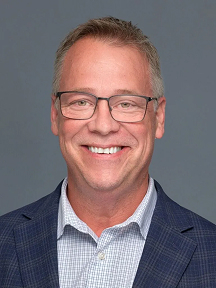
Managing Partner
Troy navigates complex multi-party insurance claims to secure the long-term care funding that people catastrophically injured in serious motor vehicle accidents rely on.
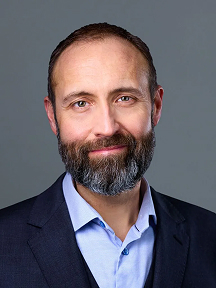
Managing Partner
Adam takes on insurers who try to shift blame onto injured people, pursuing complex motor vehicle accident claims all the way to trial when needed.
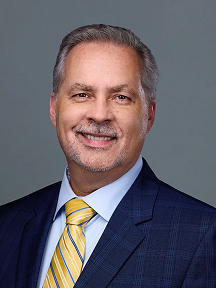
Partner
Brian draws on decades of trial experience to challenge insurer denials and secure critical rehabilitation funding for people catastrophically injured in motor vehicle crashes.
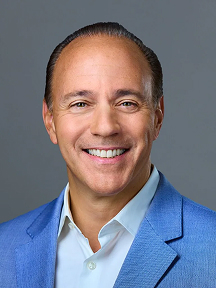
Partner
Rob advocates exclusively for seriously injured victims, pursuing both tort and accident benefits claims for people whose lives have been changed by a motor vehicle crash.
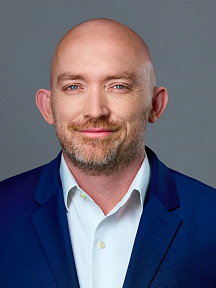
Partner
Having previously represented Canada's largest insurance providers, Kevin knows how insurers build their defence in motor vehicle claims and uses that inside knowledge to win exceptional results.
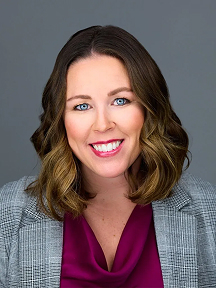
Partner
Karen combines fierce litigation with deep empathy to secure accident benefits and long-term rehabilitation support for people catastrophically injured in motor vehicle crashes, including those living with spinal cord injuries.
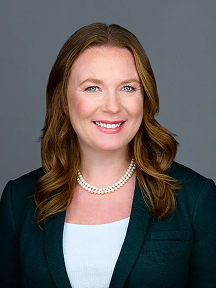
Partner
Drawing on her background in insurance defence at a leading national firm, Lara anticipates insurer tactics to secure the compensation and accident benefits injured people need after a motor vehicle crash.
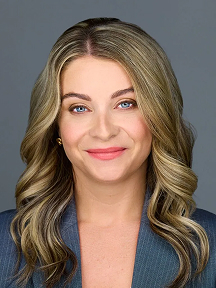
Partner
Liane moves quickly to challenge insurer cutoffs at the Licence Appeal Tribunal, protecting the accident benefits injured people rely on while their recovery and claim move forward.
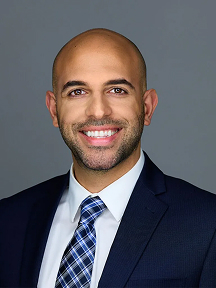
Partner
Devoting his practice exclusively to complex, life-altering trauma, Ben fights at all levels of court to secure future care funding for people living with catastrophic brain and spinal cord injuries.
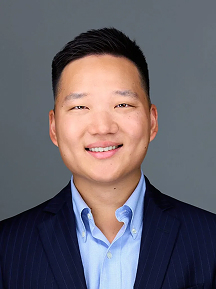
Partner
Charles applies elite trial advocacy to hold negligent drivers and their insurers accountable for people catastrophically injured in motor vehicle crashes.
Would I Be Able to Afford a Motor Vehicle Accident Lawyer Even If I Can't Work After My Accident?
Yes. You do not need any money upfront to hire Oatley Vigmond, and there are no legal fees until we win your case.
After a serious motor vehicle accident, many people and families worry they cannot afford a lawyer. Medical bills are piling up, the injured person may be unable to work and the insurer may already be disputing fault. We offer this arrangement so that seriously injured people can access experienced legal representation regardless of their financial situation. Your first consultation is completely free, with no obligation and no pressure, and we are available 24 hours a day, 7 days a week at 1-866-269-2481.
Frequently Asked Questions About Motor Vehicle Accident Claims in Ontario
Yes. In Ontario, you must report a motor vehicle accident to police if anyone is injured or if combined property damage exceeds $5,000. Call 911 if someone needs urgent medical attention or there is immediate danger. For a less serious collision you may be directed to a Collision Reporting Centre. Keep the report number for your insurance claim.
In most cases, a lawsuit must be started within two years of the accident, but several shorter deadlines apply much sooner. You should notify your own insurer within 7 days if you intend to claim accident benefits, return the application within 30 days of receiving it, and give the at-fault driver written notice within 120 days if you intend to sue. A claim involving a road or sidewalk in disrepair generally requires written notice to the municipality within 10 days. Get legal advice early rather than relying on the two-year deadline.
Accident benefits, which are paid by your own auto insurer regardless of who caused the crash, are the main source of funding for treatment after a motor vehicle accident in Ontario. Since July 1, 2026, medical, rehabilitation and attendant care benefits are the only mandatory accident benefits, while income replacement and several other benefits are optional coverages that depend on the policy. A claim against the at-fault driver is separate and can seek damages that accident benefits do not cover.
You can still claim accident benefits if you were the at-fault driver, because Ontario's accident benefits are no-fault. You generally cannot recover damages in a lawsuit against another driver if you alone caused the crash, but you may still have a claim if another party, such as a municipality or a vehicle manufacturer, also contributed. A lawyer can review the facts and tell you which options apply.
If you were hit by a car as a pedestrian or cyclist, you are generally entitled to accident benefits even if you do not have your own auto insurance, and you may also be able to sue the driver. Which insurer pays your accident benefits depends on priority rules that can be complicated, so get legal advice early.
You may still be able to recover compensation. Your own policy's uninsured motorist coverage may respond, and if no insurance applies, Ontario's Motor Vehicle Accident Claims Fund may be available. Report a hit-and-run to police right away and collect witness information, since prompt reporting and independent evidence can affect these claims.
You may still have options. Insurers sometimes argue that injuries fall within the Minor Injury Guideline, which can limit access to treatment funding. Medical evidence, treatment records, psychological evidence, functional limitations, chronic pain evidence or concussion evidence may help challenge the insurer's position if your injuries are more serious than the insurer accepts.
You can dispute a denial or cutoff by applying to the Licence Appeal Tribunal, Ontario's tribunal for accident benefits disputes. Insurers commonly deny treatment plans, stop income replacement or dispute catastrophic impairment designations. A denial is not the final word, and disputes are time-limited, so it is worth acting promptly.
Yes. A brain injury can happen without a direct blow to the head. Sudden acceleration, deceleration or a violent jolt can cause the brain to move inside the skull and result in concussion or traumatic brain injury symptoms, which can appear hours, days or weeks later. A normal CT scan or MRI does not always rule out a concussion, so see a doctor and keep records of your symptoms and treatment.
You may still have options, but the rules differ from a car accident. ATVs and snowmobiles are governed by their own insurance legislation, and whether accident benefits are available depends on the vehicle, where the crash happened and whether another vehicle was involved. You may also have a claim against the operator, the owner, a landowner, a rental or tour operator, or a manufacturer. Speak with a lawyer early so that every available source of compensation is identified.
Yes. If a loved one dies because of someone else's negligence, eligible family members under Ontario's Family Law Act, including a spouse, children, grandchildren, parents, grandparents, brothers and sisters, may be able to claim for lost financial support, loss of care, guidance and companionship, and funeral expenses. Each family member's claim depends on their relationship with the person who died and the losses they experienced.
There is no fixed timeline, but most serious injury claims take a few years to resolve, because the full extent of an injury usually cannot be valued until a person's condition has stabilized. Many claims settle without a trial, often through mediation, and we prepare every case as if it is going to trial.