
PRACTICE AREAS / MOTORCYCLE ACCIDENTS
Motorcycle Accident Lawyers
Serving riders across Ontario including Toronto, Barrie, Sudbury, and communities along the Highway 400 corridor. We represent seriously injured motorcyclists and their families through every stage of the legal process.
Toronto • North York • Scarborough • Vaughan • Brampton • Mississauga
What Should You Do After a Motorcycle Crash in Ontario?
After a motorcycle crash in Ontario, get medical attention even if you feel fine, report the crash to police, notify your insurer within 7 days, keep your helmet, gear, and motorcycle as they are, and speak with a lawyer before giving a detailed statement to any insurer.
Riders have no airbags, seatbelts, or enclosed frame, so the rider’s body absorbs the force of a collision directly. Head, spinal, and leg injuries are common, and some brain and spinal injuries do not show symptoms right away. An early medical record protects both your health and your right to accident benefits and compensation.
At Oatley Vigmond, our Ontario motorcycle accident lawyers help injured riders secure accident benefits, replace lost income, and pursue full compensation from the people responsible. Personal injury law is all we do. We work on a contingency fee basis: no legal fees upfront, and none unless we are successful. Free consultations are available 24 hours a day, 7 days a week.
What Are the Motorcycle Laws in Ontario?
Ontario’s Highway Traffic Act requires every motorcycle rider and passenger to wear an approved helmet with the chin strap fastened, requires riders to hold the right class of M licence, and requires every vehicle, including a motorcycle, to be driven within a single lane. These rules matter after a crash because insurers check them first when assessing fault.
A rider who breaks a traffic rule can still recover compensation if another driver caused or contributed to the crash. Ontario’s contributory negligence rules reduce compensation by the rider’s share of fault rather than eliminating it. Knowing the rules helps you understand where an insurer is likely to push back.
No. Section 154(1) of the Highway Traffic Act requires a vehicle to be driven entirely within a single marked lane. The Ministry of Transportation has stated that lane splitting (riding between lanes of moving traffic), lane filtering (moving up between stopped cars at a light), and lane sharing (two motorcycles side by side in one lane) are all not permitted in Ontario. A rider who was lane splitting can still claim compensation, but the insurer will argue for a reduction for shared fault.
Yes. Ontario law requires both the rider and any passenger to wear an approved helmet that meets Regulation 610 under the Highway Traffic Act, with the chin strap securely fastened. Ontario has a religious exemption for Sikh riders who wear a turban. The MTO notes that a full-face helmet offers the best protection.
Ontario uses graduated licensing for motorcycles. M1 riders may not carry passengers, must ride with a zero blood-alcohol level, may ride only during daylight hours, and may not ride on most 400-series highways or high-speed expressways. M2 riders may carry passengers and ride on any road, but must still keep a zero blood-alcohol level until they earn a full M licence.
Yes. A passenger who is injured can claim accident benefits and can sue the at-fault driver, including the rider of the motorcycle they were on. A passenger must also wear an approved helmet, and the motorcycle must have proper passenger footrests. M1 riders are not allowed to carry passengers at all.
It can. An insurer may argue that a missing or non-approved helmet, or a lack of protective gear, made your injuries worse. The insurer generally has to show the helmet or gear actually affected the injury, so a rider with a broken leg is unlikely to have damages reduced because of their helmet.
How Much Are Motorcycle Accident Settlements Worth in Ontario?
There is no average motorcycle accident settlement in Ontario, because each claim’s value depends on the severity of the injuries, future care and income needs, and how fault is shared. For catastrophic injuries, settlements can reach into the millions: Oatley Vigmond secured $6 million for a rider who suffered a severe brain injury in a Toronto motorcycle crash.
The factors that drive a motorcycle claim’s value are the same ones insurers work hardest to minimize: how serious and permanent the injuries are, what lifetime care will cost, how much income the rider has lost and will lose, and whether the insurer can shift part of the blame onto the rider. Oatley Vigmond has represented seriously injured riders across Ontario in claims involving left-turn collisions, rear-end crashes, commercial vehicles, hit-and-run drivers, and fatal accidents.
$6 Million Settlement
Man Suffers a Brain Injury in Motorcycle Accident
$2.9 Million Settlement
Husband and Wife Injured in U.S. Collision With Pickup Truck
$2.5 Million Settlement
Motorcycle Accident Settlement Involving Defective Safety Glove
Past results are not a guarantee of future outcomes. Each case is unique and depends on its own facts and circumstances.
These results matter because motorcycle accident claims are often undervalued early, before the full extent of a brain injury, spinal injury, or amputation is understood and before liability has been properly investigated. Oatley Vigmond works with medical specialists, life care planners, economists, and accident reconstruction experts to document both the immediate and long-term cost of a rider’s injuries.
💡 To learn more about how catastrophic injury claims are valued over a lifetime, read Oatley Vigmond’s Catastrophic Injury Family Information Hub
Where Do Most Motorcycle Crashes Happen in Ontario?
In Ontario, serious motorcycle crashes cluster in two places: intersections and road bends in cities, and provincial highways and rural roads outside them. Over a 10-year period, 38% of motorcyclist deaths investigated by the OPP happened on provincial highways.
The City of Toronto reports that motorcycle collisions that kill or seriously injure riders tend to happen at significant bends or junctions, often combined with aggressive driving, distraction, or impairment. In Ottawa, the most common serious motorcycle crashes are single-vehicle crashes, left-turn crashes, and head-on crashes, with collisions more concentrated in the downtown core and urban areas.
Outside the cities, the OPP patrols the 400-series highways, provincial highways, and most rural and cottage-country roads. Regional spikes are common: in 2024, eastern Ontario recorded 13 motorcyclist deaths on OPP-patrolled roads by early September, a 60% jump from the year before.
Who Is Most Likely to Be Seriously Injured in a Motorcycle Crash in Ontario?
Riders and passengers of any age can suffer serious injuries in a motorcycle crash, but historical OPP data shows that middle-aged riders accounted for the largest share of motorcyclist deaths. Riders aged 45 to 64 represented 51% of deaths on OPP-patrolled roads over a 10-year period, according to OPP data reported by CBC.
The consequences can be severe for both riders and passengers, who have little protection in a collision. Across Ontario in 2024, 92 motorcyclists died and 293 suffered major injuries, according to preliminary Ministry of Transportation data. Motorcyclists accounted for approximately 15% of all road deaths that year.
Being injured on a motorcycle does not automatically mean the rider caused the crash. A 10-year OPP review attributed fault to another driver in 39% of motorcyclist deaths. Fault depends on the evidence of each collision, making scene photos, witness statements, and preserving the motorcycle important.
What Injuries Are Most Common in Ontario Motorcycle Crashes?
The most common serious injuries in Ontario motorcycle crashes are leg and foot injuries, arm and shoulder injuries, and chest injuries, followed by head, abdominal, and spinal injuries. An Ontario study in the Canadian Medical Association Journal found motorcycles cause 10 times the severe injuries of cars per registered vehicle.
The study tracked 26,831 people injured in Ontario motorcycle crashes between 2007 and 2013. Compared with car crash victims, injured motorcyclists were nearly three times as likely to be admitted to hospital (11.9% vs. 4.2%) and twice as likely to need intensive care (2.3% vs. 1.1%). Average publicly funded medical costs were $5,825 per injured rider, nearly double the $2,995 for car crash victims.
Leg, Knee, and Foot Injuries
Lower-limb injuries were the most common severe injury among injured Ontario motorcyclists in the CMAJ study, and include complex fractures, crush injuries, and traumatic amputation.
Arm, Wrist, and Shoulder Injuries
Riders often put out an arm when thrown, causing fractures, dislocations, and brachial plexus nerve damage that can affect use of the arm.
Chest and Internal Injuries
Severe chest injuries, such as broken ribs and lung injuries, were three times more common in motorcycle crashes than car crashes.
Brain injuries range from concussion to severe injury, and can occur even with a helmet. Symptoms such as memory loss or mood changes may appear days later.
Spinal fractures and spinal cord damage can cause partial or complete paralysis and lifelong care needs.
Road Rash and Scarring
Skin abrasion from sliding on pavement can lead to infection, skin grafts, and permanent scarring, which can qualify as a permanent serious disfigurement under Ontario law.
I Felt Fine After My Crash. Could I Still Be Seriously Injured?
Yes. Adrenaline can mask pain for hours, and some brain, spinal, and internal injuries do not cause clear symptoms right away. See a doctor the same day or as soon as possible, and tell them you were in a motorcycle crash. An early medical record also connects your injuries to the crash for your insurance claim.
What Accident Benefits Can an Injured Motorcyclist Get in Ontario?
Every injured motorcyclist in Ontario can claim medical, rehabilitation, and attendant care benefits, no matter who caused the crash. Since July 1, 2026, those are the only mandatory accident benefits. Income replacement, non-earner, caregiver, housekeeping, death, and funeral benefits are now optional and depend on the coverage on the policy.
Accident benefits are Ontario’s no-fault insurance benefits, set out in the Statutory Accident Benefits Schedule. Since July 1, 2026, auto insurers also pay first for most accident-related medical and rehabilitation costs, except medication, even if you have workplace health benefits. Because so much now depends on the policy, it is important to find out exactly what coverage applies before assuming a benefit is or isn’t available.
Who Pays When a Motorcyclist Is Injured by Another Driver in Ontario?
When a motorcyclist is injured by another driver in Ontario, compensation usually comes from the at-fault driver’s insurer, and the owner of that vehicle, a commercial operator or employer, or a municipality responsible for unsafe road conditions may also be held responsible depending on the facts.
Under Ontario’s Highway Traffic Act, the owner of a vehicle can be held liable for the negligence of the person driving it, so an owner may be responsible even if they weren’t behind the wheel. When a rider is struck by a truck or delivery van, the commercial operator and its insurer may be involved, which can mean multiple parties, insurers, and jurisdictions.
Possibly. Where potholes, loose gravel, debris, or unsafe construction zones contributed to a crash, a municipality or road authority may share responsibility for failing to maintain the road. These claims have strict notice deadlines, sometimes as short as 10 days, so it is important to speak with a lawyer quickly.
You may still be able to recover compensation through your own policy's uninsured motorist coverage or, if no insurance applies, through Ontario's Motor Vehicle Accident Claims Fund. Report a hit-and-run to police right away, since prompt reporting can affect these claims.
Yes. Ontario follows a contributory negligence system, so a rider who was partly responsible for a collision may still be entitled to compensation, reduced by their percentage of fault.
What Should I Say When an Insurance Adjuster Calls After My Motorcycle Crash?
Keep it brief and factual, and speak with a motorcycle accident lawyer before giving a recorded or detailed statement about fault, your speed, your riding gear, or your injuries, since those are the topics insurers most often use to reduce a rider’s claim.
Insurers may contact injured riders shortly after a crash, often while they are still in hospital. Motorcycle claims are frequently defended aggressively, and insurers may argue that the rider assumed greater risk, contributed to the collision, or exaggerated the severity of their injuries. You are not generally required to give a recorded statement to the at-fault driver’s insurer. Your own insurer will need basic information to open your accident benefits claim, but you should understand exactly what is being requested before giving a formal or recorded statement to anyone.
Insurers often assume the rider was at fault. Speaking with a lawyer first helps make sure nothing you say about speed, gear, or your injuries is used against your claim later.
What Can an Injured Motorcyclist Be Compensated For in Ontario?
An injured motorcyclist in Ontario may be compensated for medical and rehabilitation costs, lost income and loss of future earning capacity, future care costs, attendant care, pain and suffering, loss of enjoyment of life, loss of competitive advantage, and family member claims for loss of care, guidance, and companionship.
Because motorcycle injuries are so often catastrophic, a properly valued claim has to account for both immediate needs and a lifetime of care, lost income, and changed independence, including the loss of riding itself for many clients. Some compensation comes through accident benefits, depending on the policy, and some through a lawsuit against the at-fault party. Our lawyers build claims around the long-term future the rider and their family are facing, not just the first months of recovery.
Why Choose Oatley Vigmond for a Motorcycle Accident Claim in Ontario?
Injured riders choose Oatley Vigmond because the firm practises only personal injury law, prepares every motorcycle accident case for trial, and is independently ranked among Canada’s leading personal injury firms, including National Tier 1 for Personal Injury Litigation in Best Law Firms Canada 2027 and recognition as a Top Personal Injury Boutique by Canadian Lawyer every year since 2011.
Independent legal rankings from Best Lawyers in Canada, Canadian Lawyer, and Lexpert have consistently recognized Oatley Vigmond among Canada’s leading personal injury firms for trial experience and complex catastrophic injury work. Insurers know we are prepared to go to trial, and that changes how they approach settlement. We are also proud partners of One Broken Biker, an Ontario non-profit that provides immediate financial and emotional support to injured riders while legal and insurance processes unfold.
15 years
Named a Top Personal Injury Boutique by Canadian Lawyer every year since 2011.
Tier 1
2027 Best Law Firms Canada — National rankings in Personal Injury Litigation & Insurance Law.
24/7
Free consultations, day or night. We will come to you if you cannot come to us.
$0
No legal fees until we win.
What sets us apart
Personal injury law is the only area of law we practise
We prepare every motorcycle case as if it is going to trial
Former insurance adjusters on our team who know how insurers minimize rider claims
A dedicated team of Accident Benefits Specialists works alongside our litigators
We counter rider bias with early evidence preservation and accident reconstruction
Catastrophic injury is our specialty, supported by leading medical, life care, and economic experts
Proud partner of One Broken Biker, an Ontario non-profit supporting injured riders
We come to clients in hospital, in rehabilitation, or at home
Does Oatley Vigmond Represent Clients Dealing With Motorcycle Accidents All Across Ontario?
Yes. Oatley Vigmond represents injured motorcyclists anywhere in Ontario, with a head office in Barrie and consultation offices in Toronto, North York, Hamilton, Sudbury, and North Bay, and our lawyers will meet you wherever you are during your recovery.
Motorcycle crashes happen on city streets and open highways alike: at busy intersections in Toronto, Mississauga, and Brampton, along the Highway 400 corridor north toward Barrie and cottage country, and on the highways through Sudbury and North Bay that fill with riders every summer. Many riders are injured far from home on weekend and touring routes, and you do not need to live near the crash site or our offices to work with us.
If you are in Toronto, North York, Scarborough, Vaughan, Brampton, Mississauga, Markham, Richmond Hill, Oakville, Burlington, or anywhere in the GTA, we are accessible, experienced, and ready to take your call.
Downtown Toronto
Bank of Canada Building250 University Ave, Suite 200
Toronto, ON M5H 3E5 416-225-6550
North York
North York Centre5000 Yonge St., Suite 1901
Toronto, ON M2N 7E9 416-225-6550
Who Are Oatley Vigmond's Motorcycle Accident Lawyers?
Your motorcycle accident case will be handled by experienced Oatley Vigmond trial lawyers who practise only personal injury law, supported by in-house Accident Benefits Specialists, and who represent injured riders, never insurance companies.
Our motorcycle accident team combines decades of trial experience with a deep understanding of the physical, financial, and emotional impact serious injuries have on riders and their families. Several of our lawyers previously worked in insurance defence, which gives our team direct insight into how insurers approach motorcycle claims and the arguments they use against riders.
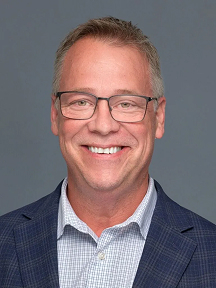
Managing Partner
Troy navigates complex multi-party insurance claims to secure maximum long-term care funding for riders catastrophically injured in motorcycle collisions.
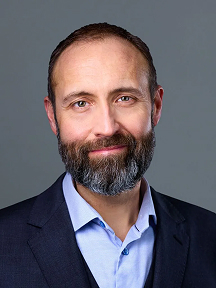
Managing Partner
Adam takes on insurers who try to shift blame onto injured riders, aggressively pursuing complex motorcycle accident claims to trial to secure maximum compensation.
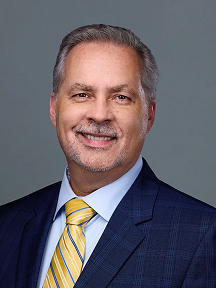
Partner
Brian draws on decades of trial experience to dismantle insurer denials and secure critical rehabilitation funding for riders catastrophically injured in motorcycle crashes.
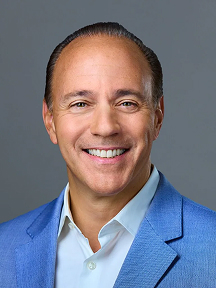
Partner
Rob advocates exclusively for seriously injured victims, securing maximum tort and accident benefits compensation for riders whose lives have been changed by a motorcycle crash.
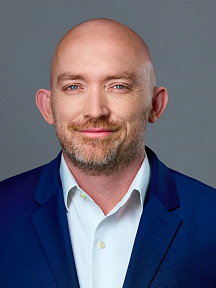
Partner
Having previously represented Canada's largest insurance providers, Kevin knows how insurers build their defence against riders and uses that inside knowledge to win exceptional results.
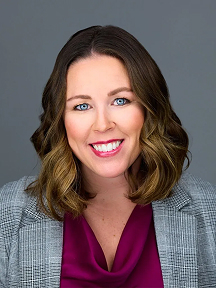
Partner
Karen combines fierce litigation with deep empathy to secure accident benefits and long-term rehabilitation support for riders catastrophically injured in motorcycle crashes, including those living with spinal cord injuries.
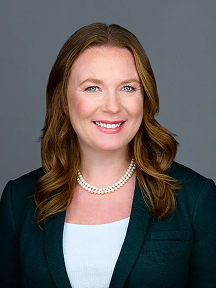
Partner
Drawing on her background in insurance defence at a leading national firm, Lara anticipates insurer tactics to aggressively secure maximum compensation and accident benefits for injured riders.
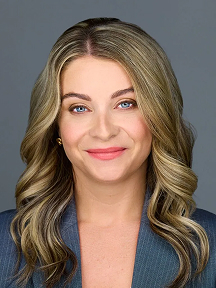
Partner
Liane moves quickly to challenge aggressive insurer cutoffs at the Licence Appeal Tribunal, protecting the accident benefits injured riders rely on while their recovery and claim move forward.
Partner
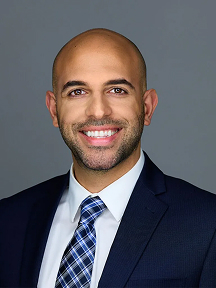
Devoting his practice exclusively to complex, life-altering trauma, Ben fights at all levels of court to secure future care funding for riders living with catastrophic brain and spinal cord injuries.
Partner
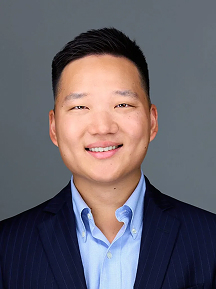
Charles applies elite trial advocacy to hold negligent drivers and their insurers accountable for riders catastrophically injured in motorcycle crashes.
Would I Be Able to Afford a Motorcycle Accident Lawyer Even If I Can’t Work After My Accident?
Yes. Oatley Vigmond’s motorcycle accident lawyers work on a contingency fee basis, which means you pay no legal fees upfront, no legal fees as your case progresses, and no legal fee at all unless compensation is recovered for you.
After a serious motorcycle crash, many riders and families worry they cannot afford a lawyer. Medical bills are piling up, the injured rider may be unable to work, and the insurer is already disputing fault. A contingency fee arrangement exists so that seriously injured people can access experienced legal representation regardless of their financial situation.
Our fee is a percentage of the compensation we recover for you, payable only at the end of your case if we are successful. If we do not recover compensation for you, you do not owe us a legal fee. Your first consultation is completely free, with no obligation and no pressure, and we are available 24 hours a day, 7 days a week.
Frequently Asked Questions About MOTORCYCLE Accident Claims in Ontario
Yes. In Ontario, you must report a motorcycle crash to police if anyone is injured or killed, or if combined property damage exceeds $5,000. Call 911 if someone needs urgent medical attention or there is immediate danger. For a non-emergency collision, contact the local police service for reporting instructions. Keep the collision report or incident number for your insurance claim.
A driver who turns left across an oncoming motorcycle’s path may be at fault for failing to yield. Ontario drivers must yield to oncoming traffic before completing a left turn. However, responsibility depends on the collision evidence, including traffic signals, vehicle speeds, visibility, and when the turn began. A driver’s claim that they “didn’t see the motorcycle” does not, by itself, excuse failing to yield.
Yes. An insurer’s allegation that you were speeding does not automatically prevent a motorcycle accident claim. The allegation must be assessed against evidence such as witness accounts, camera footage, and accident reconstruction. If speeding contributed to the collision or your injuries, it may affect how responsibility is shared. The key question is what the evidence establishes about each person’s contribution to the crash.
Ontario’s insurance priority rules determine which insurer pays your accident benefits. You generally claim through an auto or motorcycle policy under which you qualify as an insured person. If no such coverage is available, the insurer of the motorcycle you occupied may be responsible, followed by another vehicle’s insurer and, as a last resort, the Motor Vehicle Accident Claims Fund. The at-fault driver’s insurer does not automatically pay your accident benefits.
Yes. Riding a borrowed motorcycle does not automatically prevent you from claiming accident benefits or pursuing compensation from a driver who injured you. However, the owner’s permission, your licence status, the motorcycle’s insurance, and any policy exclusions can affect coverage. Do not assume the owner’s policy provides every benefit: eligibility for optional accident benefits also depends on your relationship to the applicable policy.
Yes. Keep your damaged motorcycle, helmet, and riding gear until your lawyer confirms they can be repaired, released, or discarded. They may help experts assess the impact, damage patterns, mechanical issues, and how the collision happened. Photograph the equipment and tell your insurer or storage facility that it may be needed as evidence before authorizing repairs or disposal. A helmet damaged in a crash should be preserved as evidence and should not be worn again.
The usual Ontario deadline is two years from the date your claim was discovered, often the date of the motorcycle crash. Exceptions may apply, including for minors or people who lack the capacity to start a proceeding and are not represented by a litigation guardian. Insurance claims and some notice requirements have earlier deadlines, so do not wait until the two-year mark to seek legal advice.
Yes. If another person’s negligence caused a fatal motorcycle crash in Ontario, eligible family members may pursue a wrongful death claim under the Family Law Act. Eligible relatives include a spouse, children, grandchildren, parents, grandparents, and siblings. Compensation may include lost financial support, reasonable funeral expenses, and loss of care, guidance, and companionship. Each family member’s entitlement depends on their relationship with the deceased and the losses they experienced.
Yes. You may receive financial support while your motorcycle accident lawsuit is ongoing, rather than waiting for a settlement. Depending on your coverage and eligibility, income replacement benefits or workplace disability benefits may help replace part of your earnings. These payments are separate from your final settlement, although they can affect how compensation is calculated. Check the applicable policies early, because income replacement coverage became optional in Ontario on July 1, 2026.
You can challenge an insurer’s refusal to fund treatment after a motorcycle crash. Ask for the written denial and work with your treatment provider to document why the proposed care is reasonable and necessary for your accident-related injuries. Unresolved accident benefits disputes can be brought to Ontario’s Licence Appeal Tribunal. An application generally must be filed within two years of the insurer’s denial, so seek advice promptly rather than waiting for your lawsuit to settle.
Returning to work does not automatically end your motorcycle accident claim, but it can affect income replacement benefits and the assessment of lost earnings. A return on reduced hours or modified duties may still leave you with financial losses and ongoing limitations. Keep records of your hours, earnings, accommodations, and any difficulties performing your job, and tell your lawyer and benefits insurer about changes in your employment.
Possibly. Ontario’s attendant care benefits may cover qualifying care provided by a family member, but payment is not automatic. Your care needs must be assessed, and the services must meet the insurance rules for incurred expenses. A family member who does not ordinarily provide care professionally generally must show an economic loss from providing the care, such as lost employment income. Keep records of care provided and financial losses, and confirm eligibility before relying on reimbursement.
Speak with a Motorcycle Accident Lawyer in Ontario Today
After a serious motorcycle crash, you and your family deserve to focus on recovery. Oatley Vigmond can help protect your rights, navigate insurance claims, and pursue compensation that reflects the long-term impact of your injuries.
Speak with our motorcycle accident lawyers for a free consultation. You pay no legal fees unless we recover compensation for you.
Consultation
$0
Unless we win