
PRACTICE AREAS / TRUCK ACCIDENTS
Truck Accident Lawyers
Helping individuals and families affected by serious truck collisions throughout Ontario, including Toronto, Barrie, Sudbury, and communities along the Highway 400 corridor. Our team provides experienced legal guidance from the initial investigation through to the resolution of your claim.
Toronto • North York • Scarborough • Vaughan • Brampton • Mississauga
What Should You Do After a Truck Accident in Ontario?
A truck accident involving a transport truck, tractor-trailer, or commercial vehicle requires immediate medical attention, careful evidence preservation, and legal advice from a lawyer who understands commercial trucking regulations, since injuries are often catastrophic and the trucking company’s insurer will likely begin its own investigation within hours.
The size and weight difference between a commercial truck and a passenger vehicle means injuries are frequently severe: traumatic brain injuries, spinal cord injuries, multiple fractures, and injuries requiring lifelong care. Families are often left dealing with hospitalization and rehabilitation while a commercial insurance system moves quickly to protect the trucking company from the moment the collision is reported.
At Oatley Vigmond, our Ontario truck accident lawyers understand what a commercial trucking claim requires that a typical car accident claim does not: identifying every responsible party, preserving time-sensitive evidence like black box and hours-of-service data, and dealing directly with trucking companies and their insurers.
Personal injury law is all we do. We work on a contingency fee basis: no legal fees upfront, and no legal fees as your case progresses, payable only if we are successful. Free consultations are available 24 hours a day, 7 days a week.
What Makes Truck Accident Claims Different in Ontario?
A truck accident claim differs from a car accident claim because more than one party may be legally responsible, commercial trucks are governed by additional federal safety regulations, and the insurance and evidence involved are both more complex and more time-sensitive.
Liability may extend beyond the driver to the trucking company, a cargo loading company, or a parts manufacturer, and commercial trucks are regulated under rules that go well beyond standard traffic law. Key evidence like electronic logging device (ELD) records and dash camera footage can be overwritten or destroyed within days if it isn’t preserved quickly, and commercial insurance policies typically carry far higher limits than personal auto policies, meaning a properly built claim is often worth significantly more than it first appears.
Accident benefits are available through Ontario’s no-fault insurance system regardless of who caused the crash, and a separate lawsuit against the driver, carrier, or manufacturer may also be available depending on the facts of the case.
What Results Has Oatley Vigmond Achieved in Truck Accident Cases?
Truck accident claims are not simply larger car accident claims. They involve commercial insurance policies, federal safety regulations, and corporate defendants with legal teams that begin working the file within hours of a crash.
Oatley Vigmond has represented seriously injured clients across Ontario in claims involving tractor-trailers, delivery trucks, cargo carriers, and other commercial vehicles. These cases often involve catastrophic injury, multiple defendants, and insurers prepared to dispute liability aggressively from day one.
$12 Million Settlement
Young Man Sustains Severe Brain Injury After Steel Cargo Container Crashes Into Vehicle
$2 Million Settlement
Crash With Transport Truck On Highway 401 Injures Husband and Wife
$1.62 Million Settlement
A Collision With a Truck on Gore Road in Caledon Severely Injures University Student
Past results are not a guarantee of future outcomes. Each case is unique and depends on its own facts and circumstances.
These results matter because truck accident claims are often undervalued in the early stages, before the full extent of catastrophic injury, future care needs, and liability are properly understood. Oatley Vigmond investigates every responsible party, including the driver, the carrier, the company that loaded the cargo, or the manufacturer of a defective part, because identifying every source of liability and insurance coverage can significantly affect what a family is able to recover.
💡 To learn more about how catastrophic injury claims are valued over a lifetime, read Oatley Vigmond’s Catastrophic Injury Family Information Hub
What Laws Govern Truck Accident Claims in Ontario?
Truck accident claims in Ontario are governed by the Highway Traffic Act, federal Commercial Vehicle Drivers Hours of Service Regulations, and Ontario’s no-fault Statutory Accident Benefits Schedule, and a violation of any of these rules can be important evidence that a crash was preventable.
Federal Hours of Service regulations generally limit a commercial driver to 13 hours of driving within a 14-hour on-duty window, followed by a mandatory off-duty period, and drivers may not continue driving once 16 hours have elapsed since the start of their shift. These limits exist because driver fatigue is one of the leading causes of serious truck collisions, and a documented violation of these hours can be powerful evidence of negligence in a claim.
Why Are Truck Accident Claims Often Undervalued?
Truck accident settlements are often too low because insurers initially value the claim the way they would an ordinary car accident, underestimating both the severity of injuries caused by a commercial vehicle collision and the higher policy limits available under commercial trucking insurance.
Because of the size and weight of commercial trucks, the forces involved in a truck collision are often far greater than in a typical car accident, and the resulting injuries are often more severe and longer lasting. Trucking companies carry commercial insurance policies with limits that are usually much higher than a personal auto policy, and their insurers know it, which is exactly why they move quickly: assigning an investigation team, a defence lawyer, and sometimes an accident reconstructionist within days of a serious crash, often while the injured person is still in the hospital.
Oatley Vigmond moves just as quickly in the other direction. We investigate liability early, preserve time-sensitive evidence before it can be lost, and build the claim around the full extent of the injury, not the trucking company’s opening position.
What Causes Most Truck Accidents in Ontario?
Most serious truck accidents in Ontario are caused by driver fatigue, unsafe or unsecured cargo, poor vehicle maintenance, or distracted and aggressive driving, and more than one of these factors is often present in a single crash.
Driver fatigue is one of the most common causes. Federal hours-of-service violations are common in fatal and catastrophic truck crashes, since a tired driver behind the wheel of an 80,000-pound vehicle is genuinely dangerous. Improper loading and unsecured cargo can cause a truck to become unstable, roll over, or shed its load onto the highway, sometimes with catastrophic results for other drivers. Poor vehicle maintenance, including worn brakes, tires, and steering components, can cause a truck to fail exactly when a driver needs it most, and in some cases a trucking company’s own hiring and training practices are the root cause of a crash.
Driver Fatigue
Long hours and hours-of-service violations leave drivers too tired to react in time.
Unsafe or Unsecured Cargo
Improper loading can make a truck unstable, cause a rollover, or spill cargo onto the road.
Poor Vehicle Maintenance
Worn brakes, tires, and steering components can fail exactly when a driver needs them.
Distracted or Aggressive Driving
Phone use, speeding, tailgating, and unsafe lane changes leave no room for error.
Identifying every contributing cause, not just the most obvious one, is part of building a claim that reflects what actually happened.
Who Can Be Held Responsible for a Truck Accident in Ontario?
Several parties can be held responsible for a truck accident in Ontario, including the truck driver, the trucking company, the owner of the truck or trailer, a cargo loading company, a parts manufacturer, and in some cases a municipality or the province.
Under Ontario’s Highway Traffic Act, the owner of a commercial vehicle can be held liable for the driver’s negligence, so a trucking company is often responsible even when it was not directly at fault. A trucking company can also be responsible for its own decisions, including how it hires, trains, schedules, and supervises its drivers. When the truck or trailer is leased or owned by a separate company, that company may share liability as well. A cargo loading company can be responsible for how a load was prepared, and a manufacturer can be responsible when a defective part contributed to the crash. If poor road conditions played a role, a municipality or the province may also share responsibility, although strict notice deadlines apply to those claims, sometimes as short as 10 days. Because one truck accident can involve several companies and insurance policies, identifying every responsible party early is key to recovering full compensation.
Can a Trucking Company Be Sued Directly?
Yes. A trucking company can be sued directly if its own policies, hiring practices, or maintenance failures contributed to the crash, separately from any claim against the driver personally.
What Evidence Is Important in a Truck Accident Claim?
Important evidence in a truck accident claim includes the truck’s electronic logging device (ELD) and hours-of-service records, black box or event data recorder information, dash camera footage, maintenance and inspection records, the driver’s qualification file, and bill of lading and cargo documentation.
Much of this evidence is unique to the commercial trucking industry and can be lost or routinely overwritten if it isn’t preserved quickly. Federal and provincial regulations require trucking companies to retain many of these records only for a limited period, so sending a preservation letter early can help prevent evidence from being altered or destroyed before a claim is properly investigated.
Do I Have to Give a Recorded Statement to the Trucking Company's Insurer?
You are not generally required to give a recorded statement to the trucking company’s commercial insurer, and it is best to speak with a truck accident lawyer before agreeing to one, since that insurer represents the trucking company’s interests, not yours.
Your own auto insurer may need basic information to open your accident benefits claim, but you should understand exactly what is being requested before providing a formal or recorded statement to anyone. Statements made in the early days after a truck accident, before the full extent of your injuries is known, can later be used to challenge your claim.
The trucking company’s insurer often begins investigating within hours of a crash. Speaking with a lawyer first helps make sure nothing you say is used against your own claim later.
Get in touch with Truck Accident Lawyers at Oatley Vigmond
What Accident Benefits Are Available After a Truck Accident in Ontario?
If you were injured in a truck accident in Ontario, accident benefits are available through your own automobile insurer regardless of who caused the crash, and may help cover medical treatment, rehabilitation, attendant care, and income replacement.
For catastrophic injuries, including serious brain and spinal cord injuries commonly caused by truck collisions, a catastrophic impairment designation may provide access to significantly higher levels of medical, rehabilitation, and attendant care benefits. Insurers may dispute treatment plans or minimize the severity of an injury, which is where a dedicated accident benefits team becomes important.
Can I Claim Accident Benefits and Sue the Trucking Company?
Yes. A truck accident claim in Ontario generally proceeds along two tracks that are managed together. The accident benefits claim through your own insurer covers treatment, rehabilitation, and income replacement no matter who was at fault. A separate lawsuit against the driver, the trucking company, or another responsible party may seek compensation for pain and suffering, future care, lost earning capacity, and other losses that accident benefits do not fully cover.
💡 Learn more about Ontario’s no-fault accident benefits system and how it works
What Compensation Can I Claim After a Truck Accident?
Compensation after a serious truck accident may include medical treatment and rehabilitation, income replacement and loss of future earning capacity, future care costs, home modifications and mobility equipment, pain and suffering, and family member claims for loss of care, guidance, and companionship.
Because commercial trucking insurance policies often carry significantly higher limits than personal auto policies, seriously injured claimants may have access to greater compensation than in a typical car accident case, provided the claim is properly investigated, documented, and valued.
Is Oatley Vigmond a Leading Personal Injury Law Firm that Specializes in Truck Accidents in Ontario?
Yes. Oatley Vigmond holds a National Tier 1 ranking in Personal Injury Litigation and Insurance Law from Best Law Firms Canada 2026 and has been named a Top Personal Injury Boutique by Canadian Lawyer every year since 2011.
Independent legal rankings have consistently recognized Oatley Vigmond among Canada’s leading personal injury law firms for its trial experience and its work on complex catastrophic injury cases, including serious truck and transport collisions. Our truck accident lawyers pair that courtroom experience with a clear understanding of what a life-changing injury means for a family, physically, emotionally, and financially.
15 years
Named a Top Personal Injury Boutique by Canadian Lawyer every year since 2011.
Tier 1
2026 Best Law Firms Canada — National rankings in Personal Injury Litigation & Insurance Law.
24/7
Free consultations, day or night. We will come to you if you cannot come to us.
$0
No legal fees upfront and none as your case progresses — payable only if we succeed.
What sets us apart
Personal injury law is the only area of law we practise
We investigate every responsible party, including drivers, carriers, cargo loaders, and parts manufacturers
We act quickly to preserve ELD, black box, and dash camera evidence before it can be lost
A dedicated team of Accident Benefits Specialists works alongside our litigators
Recognized for trial preparation and major catastrophic injury results across Ontario
We come to clients in hospital, in rehabilitation, or at home
Deep relationships with accident reconstruction, medical, rehabilitation, life care, vocational, and financial experts
Multiple partners recognized by Lexpert and in The Best Lawyers in Canada
Does Oatley Vigmond Represent Clients Dealing With Truck Accidents All Across Ontario?
Yes. Oatley Vigmond represents truck accident victims across Ontario, with a head office in Barrie and consultation offices in Toronto, North York, Hamilton, Sudbury, and North Bay, and our lawyers will meet you wherever you are during your recovery.
Serious truck accidents happen wherever transport trucks travel. On Highway 401 through Mississauga and Milton, one of the busiest trucking corridors in North America. On Highway 400 north of Barrie. On the QEW through Burlington and Hamilton. On Highways 11 and 17 through North Bay and Sudbury, where transport trucks share two-lane highways with local traffic. Wherever a truck accident happens in Ontario, Oatley Vigmond can represent you.
If you are in Toronto, Brampton, Mississauga, Vaughan, Markham, Richmond Hill, Oakville, Burlington, or anywhere in the GTA, we are accessible, experienced, and ready to take your call. You do not need to live near our office to hire us. We represent clients from across Ontario and we come to you when needed.
Downtown Toronto
Bank of Canada Building250 University Ave, Suite 200
Toronto, ON M5H 3E5 416-225-6550
North York
North York Centre5000 Yonge St., Suite 1901
Toronto, ON M2N 7E9 416-225-6550
Who Are Oatley Vigmond's Truck Accident Lawyers?
Oatley Vigmond’s truck accident lawyers are experienced trial lawyers who practise only personal injury law, represent injured people and never insurance companies.
Truck accident claims are among the most complex cases in Ontario personal injury law, often involving multiple defendants, commercial insurers, and technical evidence. Several of our lawyers previously worked in insurance defence, which gives our team direct insight into how trucking companies and their insurers approach these claims.

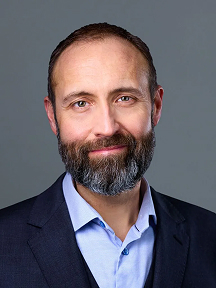
Managing Partner
Troy navigates the complex, multi-layered insurance coverage behind commercial trucking companies to secure maximum long-term care funding for clients catastrophically injured in truck collisions.
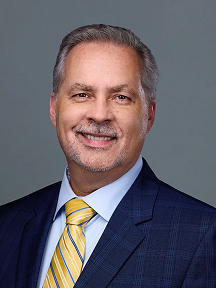
Managing Partner
Adam takes on trucking companies and their insurers, aggressively pursuing complex truck accident claims to trial to secure maximum compensation for the most seriously injured clients.
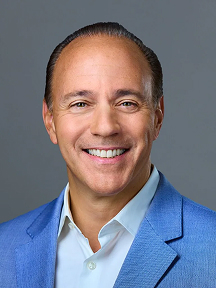
Partner
Brian draws on decades of trial experience to dismantle trucking insurers' denials and secure critical rehabilitation funding for clients catastrophically injured in commercial vehicle collisions.
Partner
Rob advocates exclusively for seriously injured victims, securing maximum tort and accident benefits compensation for clients whose lives have been changed by collisions with transport trucks and commercial vehicles.

Partner
Having previously represented Canada's largest insurance providers, Kevin knows how trucking insurers build their defence and uses that inside knowledge to win exceptional results for clients catastrophically injured in truck crashes.
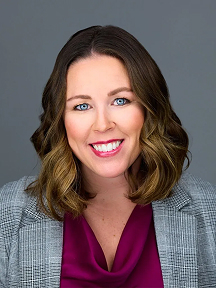
Partner
Karen combines fierce litigation with deep empathy to secure accident benefits and long-term rehabilitation support for clients catastrophically injured in truck collisions, including those living with spinal cord injuries.

Partner
Drawing on her background in insurance defence at a leading national firm, Lara anticipates the tactics of trucking companies and their insurers to aggressively secure maximum compensation and accident benefits for truck accident victims.

Partner
Liane moves quickly to challenge aggressive insurer cutoffs at the Licence Appeal Tribunal, protecting the accident benefits truck accident victims rely on while their recovery and claim move forward.
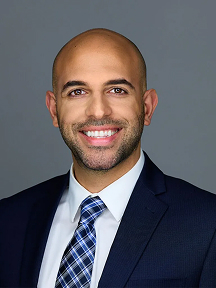
Partner
Devoting his practice exclusively to complex, life-altering trauma, Ben fights at all levels of court to secure future care funding for truck accident victims living with catastrophic brain and spinal cord injuries.

Partner
Charles applies elite trial advocacy to hold trucking companies, drivers, and their insurers accountable for clients catastrophically injured in commercial vehicle crashes.
How Much Does a Truck Accident Lawyer Cost in Ontario?
Oatley Vigmond’s truck accident lawyers work on a contingency fee basis, which means you pay no legal fees upfront, no legal fees as your case progresses, and no legal fee at all unless compensation is recovered for you.
After a serious truck accident, many families worry they cannot afford a lawyer. Medical bills are piling up, the injured person may be unable to work, and the trucking company’s insurer already has a legal team in place. A contingency fee arrangement exists so that seriously injured people can access experienced legal representation regardless of their financial situation.
Our fee is a percentage of the compensation we recover for you, payable only at the end of your case if we are successful. If we do not recover compensation for you, you do not owe us a legal fee. Your first consultation is also completely free, with no obligation and no pressure, and we are available 24 hours a day, 7 days a week.
Frequently Asked Questions About Truck Accident Claims in Ontario
In most cases, a lawsuit must be started within two years of the accident, but several shorter deadlines apply much sooner. You should notify your own insurer of an accident benefits claim within seven days and submit the application within 30 days of receiving the forms. Written notice to the at-fault party is generally required within 120 days. Different rules can apply to children and to claims involving road conditions, so it is best to get legal advice early rather than rely on the two-year deadline.
You can still bring a claim if you were partly at fault, but your compensation in the lawsuit may be reduced by your share of responsibility. Your accident benefits are not affected by fault at all. Insurers sometimes overstate a claimant's share of blame, which is one reason an independent investigation of the crash matters.
You are entitled to accident benefits even if you were not in a car. They typically come through your own auto policy or a family member's policy, and if neither exists, from the insurer of the vehicle that struck you. You may also be able to sue the driver, the trucking company, and any other responsible party. Vulnerable road users struck by commercial trucks often suffer the most serious injuries, so these claims tend to involve significant future care needs.
Family members may be able to claim compensation for the loss of care, guidance, and companionship, as well as funeral expenses and lost financial support. Ontario's accident benefits system also provides death and funeral benefits regardless of fault. To learn more, visit Oatley Vigmond's wrongful death expertise page.
A criminal or Highway Traffic Act charge is separate from your civil claim, but a conviction can be useful evidence of negligence. Your claim does not depend on charges being laid. Many drivers who caused serious crashes are never charged, and a civil claim uses a lower standard of proof than a criminal case.
You may still be able to recover compensation even if the truck is never identified, including cases involving a detached wheel, falling cargo, or ice flying off a trailer. Ontario auto policies include coverage for accidents caused by unidentified vehicles, although insurers often require independent evidence of what happened. Witness information, dash camera footage, and early investigation are especially important in these cases.
The carrier the driver was hauling for may still be responsible, even if the driver owned their own truck or was not technically an employee. Owner-operators often work under lease agreements with larger carriers, and those arrangements can create shared liability and additional insurance coverage. Reviewing those contracts early helps identify every policy available.
You can generally still bring your claim in Ontario if the accident happened here. Commercial carriers operating in Ontario are generally required to have insurance that responds to claims under Ontario's rules. Cross-border cases can add complexity around evidence and corporate defendants, which is why it helps to involve a lawyer early.
You should not accept any offer before speaking with a lawyer, especially in the early months after a serious injury. Once you sign a release, the claim is closed permanently, even if your injuries turn out to be worse than expected. Early offers are often made before future care needs, lost earning capacity, and long-term effects are known.
Yes. Ontario law applies a statutory deductible to pain and suffering awards in motor vehicle cases, and the amount is adjusted every year. The deductible does not apply once an award passes a set threshold. Injuries must also meet a legal threshold of permanent and serious impairment to qualify for pain and suffering damages. Catastrophic truck accident injuries frequently meet that threshold, but it still has to be proven with proper medical evidence.
Most serious truck accident claims take a few years to resolve, because the full extent of an injury usually can't be valued until the person's condition has stabilized. The large majority settle without a trial, often through mediation. Claims settle best when the defence knows the case is fully prepared to go to court.
You can dispute a denial or cutoff by applying to the Licence Appeal Tribunal, Ontario's tribunal for accident benefits disputes. Insurers commonly deny treatment plans, stop income replacement, or dispute catastrophic impairment designations. A denial is not the final word, and disputes are strictly time-limited, so it is worth acting promptly.
No. The weeks after a serious truck accident are often when legal help matters most, because evidence is being lost and the trucking company's insurer is already investigating. Oatley Vigmond's lawyers regularly meet clients and families in hospital, in rehabilitation, or at home. The first consultation is free and carries no obligation.
Speak with a Truck Accident Lawyer in Ontario Today
If you or someone you love has been seriously injured in a truck accident, the trucking company’s insurer is already building its case. The decisions made in the weeks ahead can shape your future.
Consultations are free, and you pay no legal fees unless we recover compensation for you.
Consultation
$0
Unless we win