
The Total Care Network at Oatley Vigmond
Ontario Accident Benefits After a Serious Injury
This page is for families trying to understand accident benefits in Ontario while coping with serious injury and recovery.
After a serious motor vehicle collision, many individuals and families suddenly find themselves trying to navigate trauma care, rehabilitation decisions, insurance paperwork, financial uncertainty, and emotional stress all at once.
During this time, Ontario’s accident benefits system may provide important financial and medical support regardless of who caused the collision.
These benefits can help cover medical treatment, rehabilitation, attendant care, income replacement, and other support during recovery. In simple terms, accident benefits are part of your auto insurance coverage in Ontario. They are designed to help injured people access treatment, care, and financial support after a serious car accident, even if they were at fault.
For many families, however, accident benefits are also one of the most confusing parts of the insurance system.
People are often left asking:
- What benefits are available?
- What happens if treatment is denied?
- How long do benefits last?
- What is catastrophic impairment?
- Do I still qualify if the accident was my fault?
At Oatley Vigmond, our Ontario personal injury lawyers help individuals and families navigate accident benefits claims involving traumatic brain injuries, spinal cord injuries, chronic pain, psychological injuries, catastrophic impairments, and other life-altering injuries.
This page explains how Ontario accident benefits work after a serious injury and what families should expect during the recovery process.
What Are Accident Benefits in Ontario?
Ontario accident benefits are insurance benefits available to individuals injured in motor vehicle collisions regardless of who caused the accident.
These benefits are governed by Ontario’s Statutory Accident Benefits Schedule (SABS).
Depending on the severity of the injury, accident benefits may help cover:
- medical treatment
- rehabilitation
- attendant care
- income replacement
- psychological treatment
- occupational therapy
- mobility equipment
- transportation expenses
- home modifications
For individuals living with catastrophic injuries, accident benefits often become an essential source of support during recovery and rehabilitation.
However, many families quickly discover that the accident benefits process can become complicated, especially when serious injuries, long-term rehabilitation needs, catastrophic impairment designation, or insurer disputes are involved. Understanding what benefits may be available and how to access them can become an important part of protecting a person’s long-term recovery and quality of life.
Do Accident Benefits Depend on Who Caused the Accident?
No. Ontario accident benefits are considered “no-fault” benefits. This means injured individuals may qualify for benefits regardless of who caused the collision.
Even if another driver was entirely responsible for the crash, accident benefits are often the first source of financial and medical support available after a serious injury.
What Benefits Are Available After a Serious Accident?
Medical and Rehabilitation Benefits
Medical and rehabilitation benefits may help cover treatment and recovery services such as physiotherapy, occupational therapy, psychological counselling, cognitive rehabilitation, assistive devices, and pain management treatment.
Severe injuries often require extensive rehabilitation over months or years, particularly in traumatic brain injury, spinal cord injury, and catastrophic impairment cases.
Attendant Care Benefits
Attendant care benefits may help pay for personal assistance with daily living activities such as bathing, dressing, mobility, supervision, medication management, and meal preparation.
For some catastrophically injured individuals, attendant care becomes an important part of long-term recovery and quality of life.
Income Replacement Benefits
Individuals unable to work because of their injuries may qualify for income replacement benefits.
These benefits are designed to partially replace lost income during recovery and have capped maximum amounts payable. As Ontario insurance rules and benefit calculations are changing, one should carefully review their auto insurance policy, as eligibility requirements may change.
Housekeeping and Home Maintenance Benefits
Some catastrophically injured individuals may also qualify for support with housekeeping, home maintenance, and other daily responsibilities that become difficult following a serious injury.
Can Family Members of an Injured Person Receive Accident Benefits?
When someone is catastrophically injured in a motor vehicle collision, the effects can extend far beyond the injured person. A spouse, parent, child, dependant or other eligible family member may experience significant psychological or mental health consequences that affect their ability to work and function in daily life.
In some circumstances, family members who suffer their own psychological or mental injury as a result of the collision may also qualify for Ontario accident benefits. Depending on their individual circumstances and the coverage available, these benefits may include psychological counselling, other medical and rehabilitation support and, where the eligibility requirements are met, income replacement benefits.
To make a claim, the family member must submit an Application for Accident Benefits to the appropriate auto insurer. Additional documentation may be required, including a Disability Certificate completed by a healthcare professional and an Employer’s Confirmation Form if income replacement benefits are being claimed.
At Oatley Vigmond, our Accident Benefits Specialists help families navigate this process. They can assist with the application, coordinate the completion of medical and employment forms, communicate with the insurer and help connect family members with appropriate counselling and community-based supports.
When a loved one is seriously injured, your focus should be on supporting them and caring for yourself, not managing unfamiliar insurance forms and deadlines alone. If your family is struggling after a serious collision, we are here to help.
What Is Catastrophic Impairment?
A catastrophic impairment is a legal designation under Ontario insurance law used for severe and permanent impairments resulting from a motor vehicle collision.
Catastrophic impairment may involve:
- traumatic brain injuries
- spinal cord injuries
- paralysis
- amputations
- severe chronic pain
- serious psychological injuries
- multiple combined impairments
Under Ontario’s Statutory Accident Benefits Schedule (SABS), catastrophic impairment designation can significantly increase the medical, rehabilitation, and attendant care benefits available to an injured individual.
These cases are often medically and legally complex because the injuries affect nearly every aspect of a person’s life, including independence, employability, cognitive functioning, emotional health, and long-term quality of life.
Why Are Accident Benefits So Important After a Serious Injury?
For many families, accident benefits become one of the most important sources of financial and medical support during recovery.
After a catastrophic injury, families often try to manage:
- hospitalization and rehabilitation
- specialist appointments
- caregiving responsibilities
- insurance paperwork
- employment concerns
- emotional exhaustion
- uncertainty about the future
The accident benefits process can feel overwhelming, especially during the first weeks and months after a serious accident.
Families often try to understand complex insurance rules and rehabilitation decisions while also focusing on medical recovery, caregiving responsibilities, and adjusting to an entirely different future.
Families navigating hospitalization and rehabilitation may also find our guide on Understanding Trauma Care After a Serious Accident helpful.
What Happens During the First Few Months After a Car Accident?
The first several months after a catastrophic injury are often focused on medical stabilization, rehabilitation, and adapting to a completely different reality.
Many families are suddenly navigating:
- ICU treatment
- rehabilitation transitions
- home care planning
- insurance approvals
- ongoing medical assessments
At the same time, insurers may begin requesting medical documentation, treatment plans, forms, and insurer examinations.
This process can become stressful for individuals and caregivers who are already coping with trauma and uncertainty.
Families navigating the immediate aftermath of a catastrophic injury may also find it helpful to understand what typically happens during the first several days following a serious accident or sudden loss.
Why Do Insurance Companies Sometimes Deny Treatment?
Insurance companies may dispute:
- treatment plans
- attendant care recommendations
- catastrophic impairment designation
- rehabilitation needs
- chronic pain severity
- psychological injuries
- inability to return to work
In traumatic injury claims, disputes often arise regarding the long-term cost of future care and rehabilitation.
Families are frequently surprised by how adversarial the process can become after a catastrophic injury.
For individuals requiring significant daily assistance, understanding how attendant care benefits work and why insurers sometimes dispute or deny them can become an important part of protecting long-term recovery and support needs.
What Are Insurer Examinations?
Insurance companies may require injured individuals to attend insurer examinations, sometimes referred to as independent medical examinations (IMEs).
These assessments are arranged by the insurer to evaluate:
- medical condition
- treatment needs
- employability
- catastrophic impairment
- rehabilitation recommendations
In catastrophic injury cases, multiple assessments may occur over time.
Can You Receive Accident Benefits and File a Lawsuit?
Yes. Accident benefits claims and personal injury lawsuits are separate legal processes.
Accident benefits may provide ongoing financial and medical support regardless of fault, while a lawsuit may seek compensation for:
- pain and suffering
- future income loss
- future care costs
- loss of earning capacity
- family law claims
- long-term quality of life impacts
Both processes often proceed at the same time following a life-altering injury.
The Emotional Reality of Navigating Ontario Accident Benefits
For many families, the hardest part is not simply understanding the insurance system. It is trying to manage those responsibilities while coping with trauma, rehabilitation, uncertainty, and exhaustion.
Recovery after a catastrophic injury is rarely straightforward.
Some individuals improve over time. Others continue facing evolving physical, cognitive, and psychological challenges long after the collision itself.
Families are often balancing hospital visits, rehabilitation appointments, caregiving responsibilities, employment concerns, financial pressure, and emotional stress while trying to adjust to an entirely different future.
How Oatley Vigmond Helps Families Navigate Ontario Accident Benefits
At Oatley Vigmond, our Ontario personal injury lawyers work closely with our Accident Benefits Specialists in collaboration with rehabilitation professionals, occupational therapists, medical specialists, neuropsychologists, and life care planners to help families navigate complex accident benefits claims involving:
- traumatic brain injuries
- spinal cord injuries
- chronic pain
- PTSD
- catastrophic impairments
- severe orthopaedic injuries
We understand that long-term injury claims involve much more than legal paperwork. Families are often trying to rebuild their lives while adapting to an entirely new reality. Many people are also surprised to learn that Ontario’s accident benefits system is considered “no-fault” insurance, meaning benefits may be available regardless of who caused the collision.
Frequently Asked Questions About Ontario Accident Benefits
What are accident benefits in Ontario?
Ontario accident benefits are insurance benefits available after a motor vehicle collision regardless of who caused the accident. Benefits may include medical coverage, rehabilitation, attendant care, and income replacement.
Do accident benefits depend on fault?
No. Ontario accident benefits are generally available regardless of who caused the collision.
What is catastrophic impairment?
Catastrophic impairment is a legal designation under Ontario insurance law used to describe severe and permanent impairments resulting from a motor vehicle collision.
Can accident benefits be denied?
Yes. Insurance companies may dispute treatment plans, rehabilitation recommendations, catastrophic impairment designation, and other benefits.
What happens if the insurance company cuts off treatment?
Disputes may proceed through Ontario’s Licence Appeal Tribunal process and often require additional medical evidence and legal advocacy.
Can I receive accident benefits and still sue?
Yes. Accident benefits claims and personal injury lawsuits are separate legal processes that often proceed simultaneously.
How long do accident benefits last?
The duration depends on the severity of the injuries, the type of benefits involved, and whether the injury qualifies as catastrophic under Ontario insurance law.
How Oatley Vigmond Supports Families Through the Accident Benefits Process
After a severe injury, families are suddenly faced with an overwhelming number of responsibilities. Medical decisions must be made quickly. Insurance companies begin calling. Forms arrive. Deadlines start running. At a time when your focus should be on your loved one’s recovery, the Ontario accident benefits system can feel unfamiliar, stressful, and difficult to navigate alone.
At Oatley Vigmond, supporting families through the accident benefits process is an important part of what we do.
Our Accident Benefits Specialists begin working with families early in the recovery process to help manage many of the urgent issues that arise after a catastrophic injury. This may include helping coordinate discharge planning from the hospital, assisting with accident benefits applications, arranging disability certificates and insurance forms, securing funding approvals for treatment and care, and helping ensure rehabilitation supports are put in place as quickly as possible.
Our team also helps manage communication with insurance companies, coordinates paperwork and deadlines, assists with income replacement benefits, and works closely with healthcare providers and rehabilitation teams throughout the recovery process. Because Oatley Vigmond focuses exclusively on personal injury law, we have longstanding relationships with a trusted network of rehabilitation professionals, medical specialists, and healthcare providers across Ontario who regularly support injured individuals and their families during recovery.
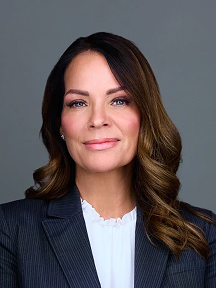
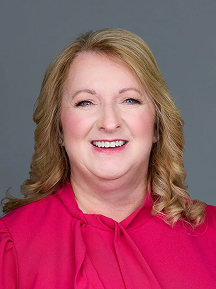
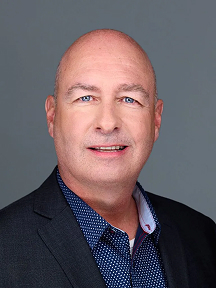
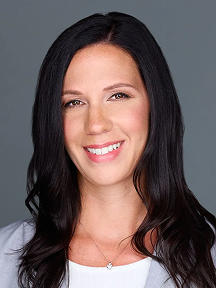
What makes Oatley Vigmond different is that we are proud to be the only law firm in Ontario to exclusively hire former insurance adjusters as Accident Benefits Specialists. This was an industry-first approach pioneered by our firm because we believed injured people deserved advocates who truly understand the insurance system from the inside.
Our specialists understand how insurance companies assess claims, evaluate treatment requests, approve benefits, and manage catastrophic injury files because they previously worked within that system themselves. Their experience helps our team anticipate issues early, avoid unnecessary delays, and help families access treatment, care, and financial support as efficiently as possible.
Families often tell us that one of the greatest sources of relief is knowing someone experienced is managing the paperwork, insurance communication, and day-to-day pressures of the accident benefits process while they focus on recovery and supporting one another.
Our Accident Benefits Specialists collaborate closely with legal counsel, rehabilitation professionals, occupational therapists, and medical providers throughout every stage of the claim. This collaborative approach helps ensure families receive guidance, advocacy, and support from the earliest stages of recovery onward.
You are not expected to navigate this process alone. That is why we are here.
Oatley Vigmond's Accident Benefits Specialists



Questions About Ontario Accident Benefits?
If you or someone you love is navigating recovery after a serious accident, understanding accident benefits can feel overwhelming.
Oatley Vigmond’s Ontario personal injury lawyers help individuals and families understand their legal rights and navigate complex accident benefits claims involving catastrophic injuries, traumatic brain injuries, spinal cord injuries, chronic pain, PTSD, and other life-altering injuries.
Contact our team to learn more about your options after a severe motor vehicle collision in Ontario.